
How to match car accessories & technology to your household
Assess how car accessories & technology fits the household’s people, space, routines, access needs, risk tolerance and realistic budget. Includes a practical checklist, decision rule and dated Malaysian source trail.
Assess how car accessories & technology fits the household’s people, space, routines, access needs, risk tolerance and realistic budget. Dashcams, tyres and in-car technology.
The decision lens
Use the exact vehicle, variant and registration details to check ownership history, approval, safety, financing, insurance, warranty, maintenance and local support.
Start with the source trail
The dated source set for this guide includes material from Road Transport Department Malaysia. Open the linked page itself, check its date and scope, and use the exact identifier that applies to your product, provider, account, vehicle, practitioner or complaint.
What to check
- Count actual users and identify the most demanding normal use case.
- Measure relevant space, access, storage, transport or schedule constraints.
- Consider children, older people, disabilities, allergies and caregiver workload where relevant.
- Test whether everyone can follow the required setup, payment, maintenance or complaint process.
- Match every inspection, approval, recall, warranty and service record to the exact registration or vehicle identification details.
A practical sequence
- Observe the current routine for a typical week.
- Write down recurring friction and the outcome that would remove it.
- Trial the proposed process or dimensions before committing where possible.
- Choose the simplest option the household can use consistently.
A useful decision rule
Optimise for the household’s frequent real-world use, not an exceptional scenario or an ideal routine nobody will maintain.
Common mistake to avoid
Buying for maximum capacity or every possible feature can increase cost and complexity without improving daily life. Do not assume another model year, variant or owner’s experience applies to the vehicle being considered.
Recheck before acting
Sources were checked on 2026-09-09. Rules, prices, eligibility, registers and provider terms can change, so revisit the linked primary pages immediately before paying, signing, using a safety-critical item or escalating a complaint.
Key takeaways
- Count actual users and identify the most demanding normal use case.
- Measure relevant space, access, storage, transport or schedule constraints.
- Consider children, older people, disabilities, allergies and caregiver workload where relevant.
Related guides
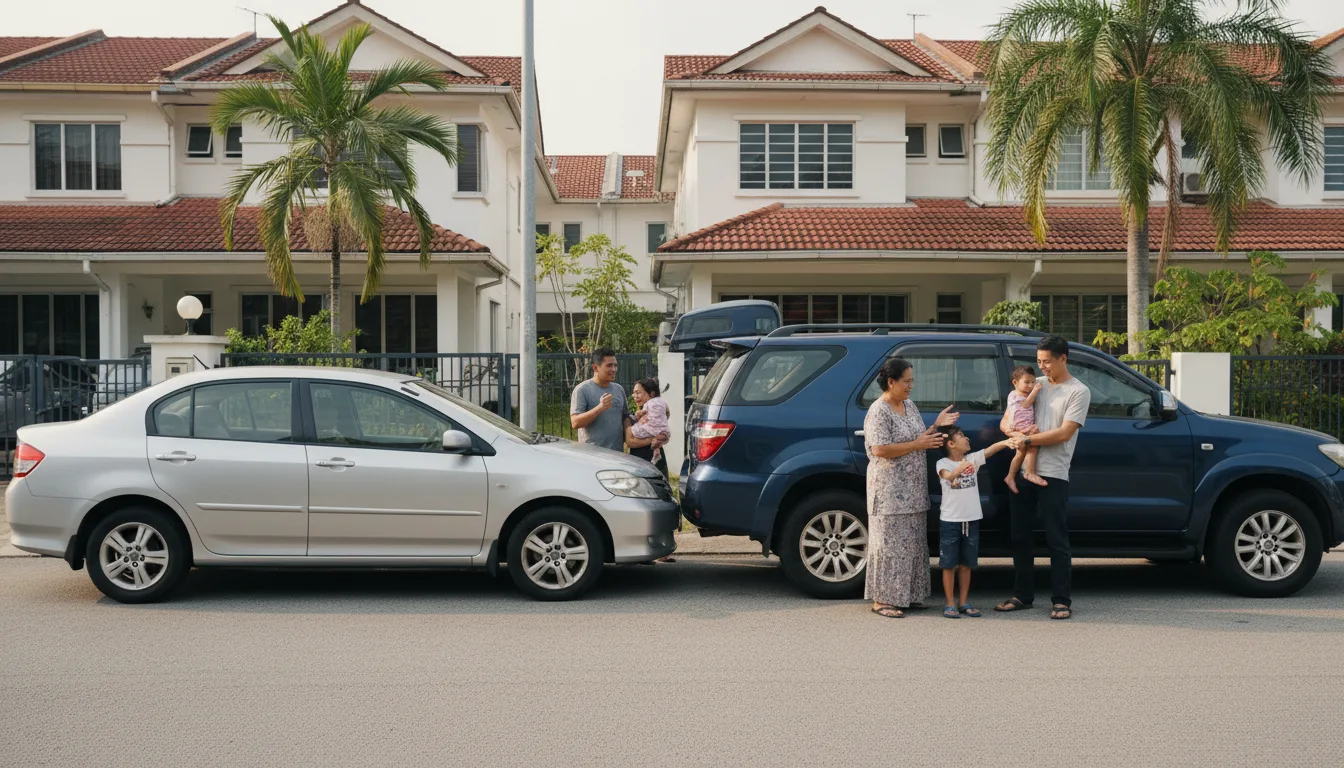
Sedan vs SUV for Malaysian families
A sedan usually buys more boot length and lower running costs for the money; an SUV offers a higher seating position and more flexible access. Compare the exact models, child-seat fit and full ownership cost—not body style alone.
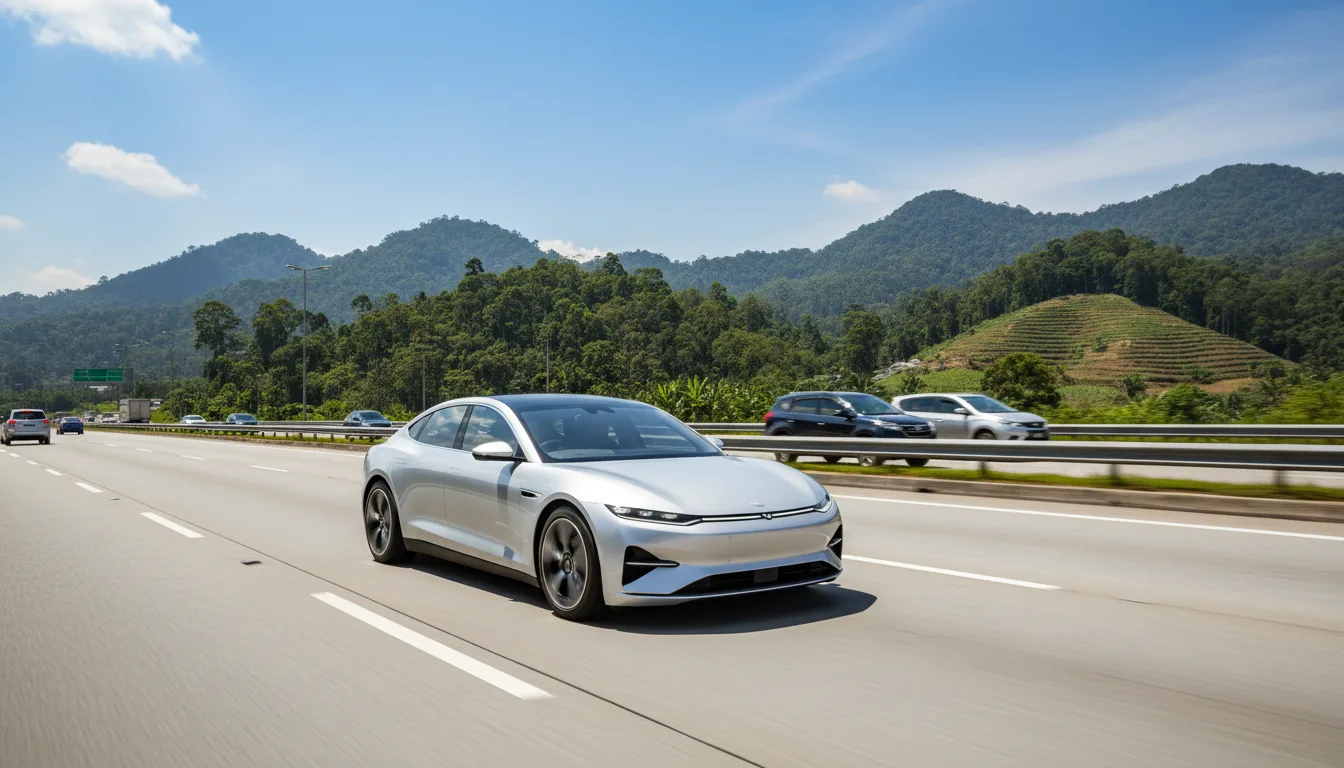
Electric cars worth considering for Malaysian drivers
Current Malaysian options now span compact hatchbacks, local crossovers and longer-range sedans. We compare official WLTP range, battery, charging, boot space, pricing structure and the home-charging question.
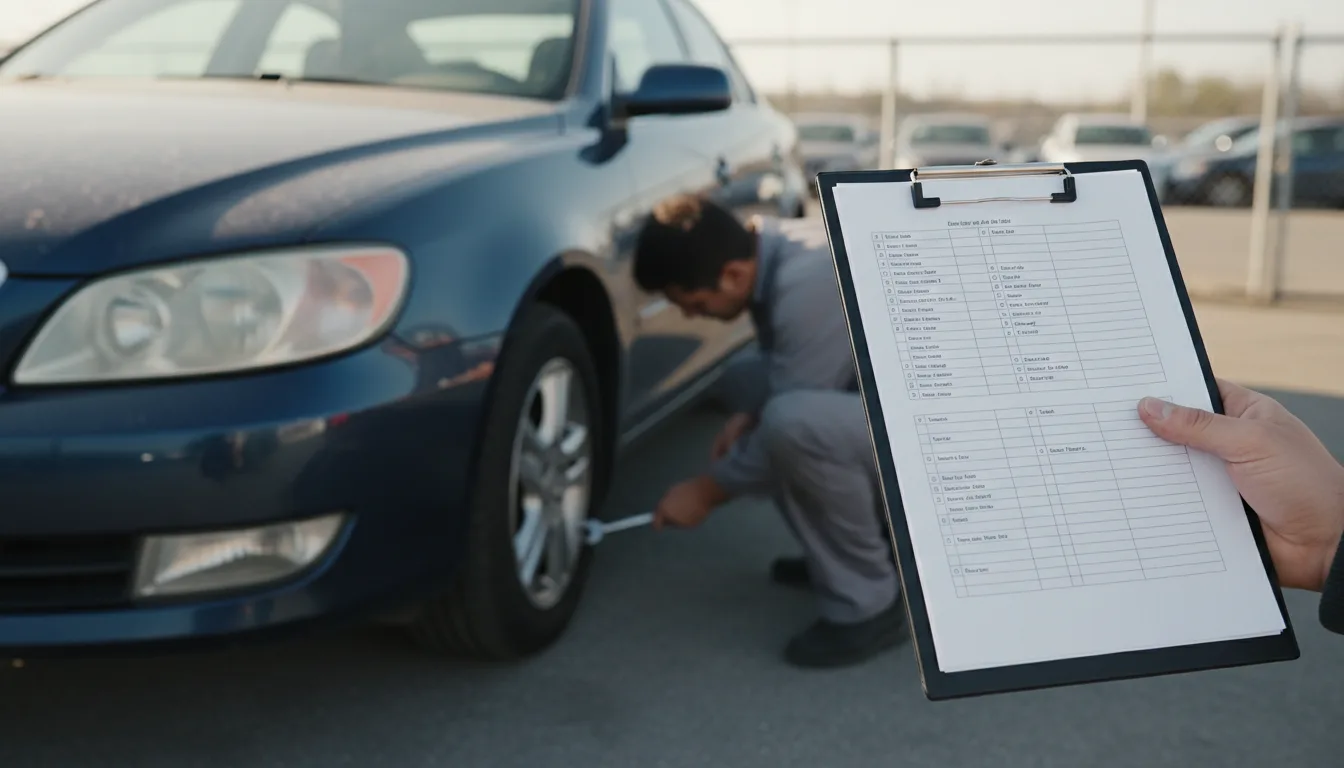
What to inspect before buying a used car in Malaysia
Verify identity and ownership, inspect structure and flood signs, scan electronics, test-drive from cold and use the correct PUSPAKOM inspection route. A mandatory ownership-transfer inspection is not a full pre-purchase condition report.
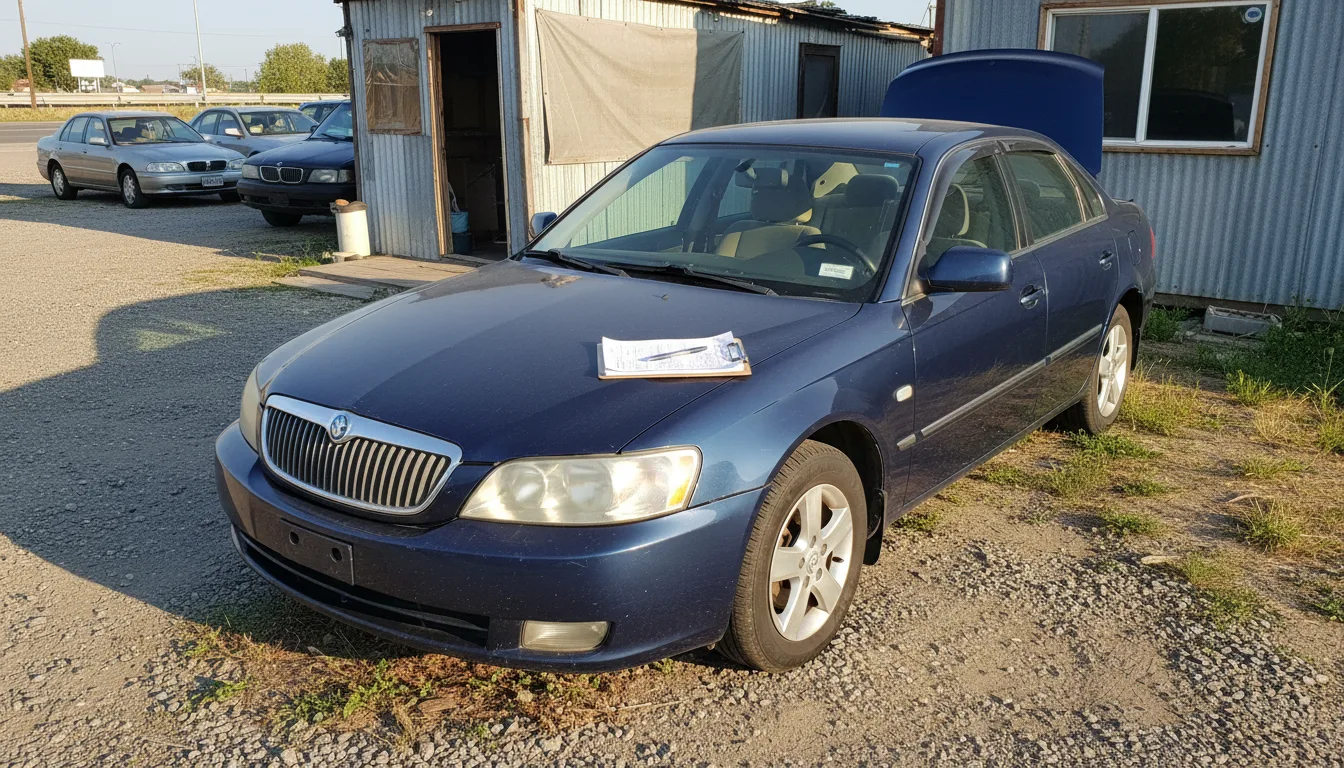
Used-car ownership transfer and purchase checklist
Coordinate identity, inspection, finance settlement, payment and JPJ ownership transfer without leaving an undocumented gap.