
Lightweight vs full-size stroller for Malaysian families
A lightweight stroller is easier on stairs, in lifts and in a car boot; a full-size model normally gives stronger wheels, storage and all-day comfort. Compare folded dimensions and real carrying weight before features.
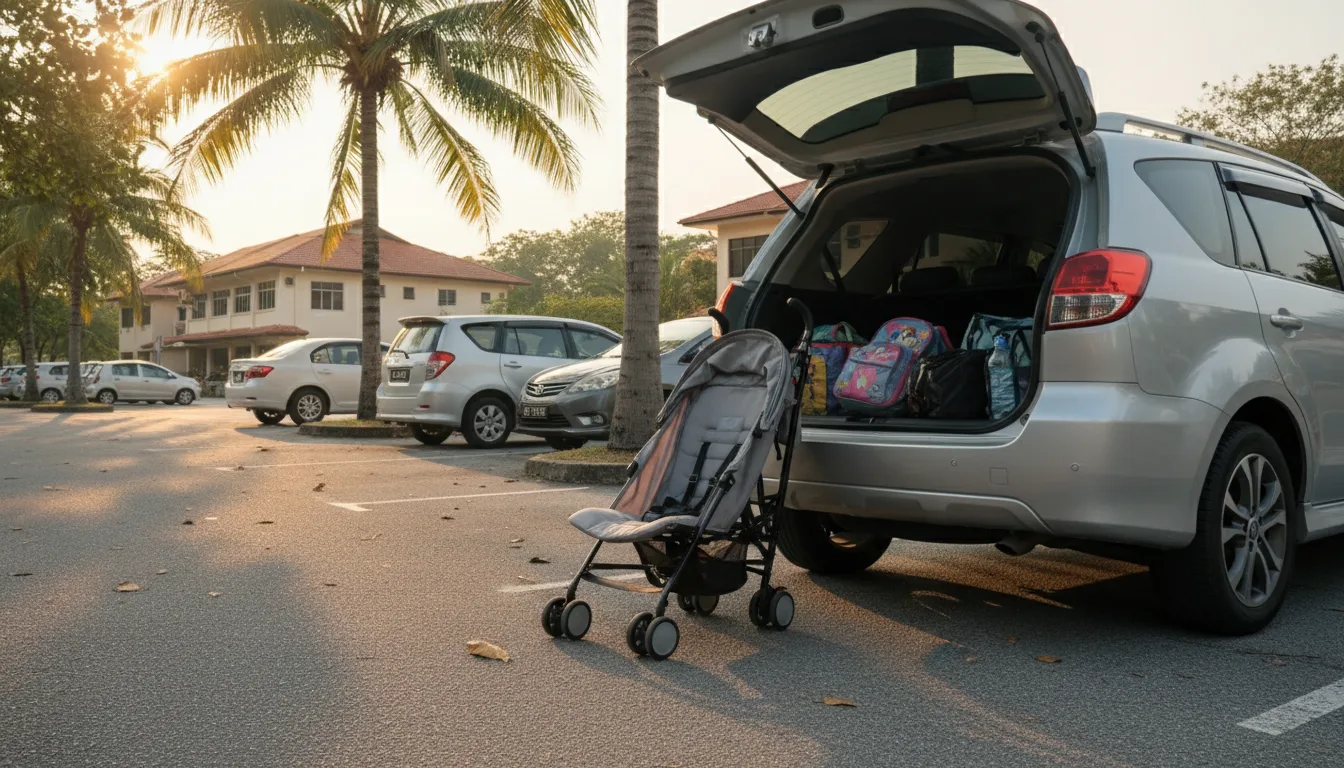
Map a normal trip from your front door to the destination: stairs, lift size, train gates, kerbs, boot opening and whether you must hold a child while folding. The best stroller on a showroom floor may be exhausting on that route.
Check the exact model’s approved child weight, newborn suitability, restraint, brake operation and compatibility list. Never infer car-seat compatibility from a similar-looking connector.
Quick verdict
Choose lightweight if you lift, fold or transport the stroller often. Choose full-size if long walks, uneven paths, storage and ride stability dominate. Try the fold one-handed with the basket loaded only as the manual allows.
At a glance
| Lightweight stroller | Full-size stroller | |
|---|---|---|
| Weight | Often about 6–8kg | Often about 9kg or more |
| Folded size | Smaller; easier in compact cars | Larger; measure the boot opening |
| Wheels | Usually smaller | Usually larger and more stable |
| Storage | Smaller basket | Typically more basket space |
| Lifting | Easier | Harder on stairs and into vehicles |
What each option is
Lightweight stroller. A compact pushchair designed around lower carry weight and a smaller fold. Features such as suspension, recline and basket size vary widely.
Full-size stroller. A larger chassis designed for stronger wheels, storage and longer outings. “Full-size” does not automatically mean newborn-ready or compatible with every infant seat.
Category by category
Concrete size comparison
Joie lists the Pact Pro at 6.3kg, birth to 22kg, with a 30 × 40 × 77cm fold. Its Litetrax Pro support specification lists 9.7kg and birth to 22kg. Exact dimensions show more than category labels.
Public transport and flats
A lighter model helps when a lift fails or you need to fold at a train gate. Test whether it stands folded and whether you can carry it while holding the child safely.
Pavements and kerbs
Larger wheels and suspension are normally easier over uneven surfaces. Small wheels favour smooth mall floors and compact storage.
Newborn use
Use only the recline, carrycot or infant-seat arrangement approved by the manufacturer for that model and child stage. “Birth to 22kg” is a model claim, not a rule for every stroller.
Cabin claims
Airline cabin acceptance is controlled by the airline, aircraft and current baggage rules. A brand’s compact-fold claim is not a boarding guarantee.
Who each suits
Cost & availability in Malaysia
Include any separately sold rain cover, bumper bar, carrycot, infant-seat adaptor and replacement wheels. Verify Malaysian warranty handling and spare-parts supply, especially for imported models.
Our recommendation
The deciding test is physical: lift it, fold it, load it into your own boot and push it over a kerb. Choose the lighter model if transport is the recurring friction; choose the larger one if ride and storage are worth the weight every day.
Related guides
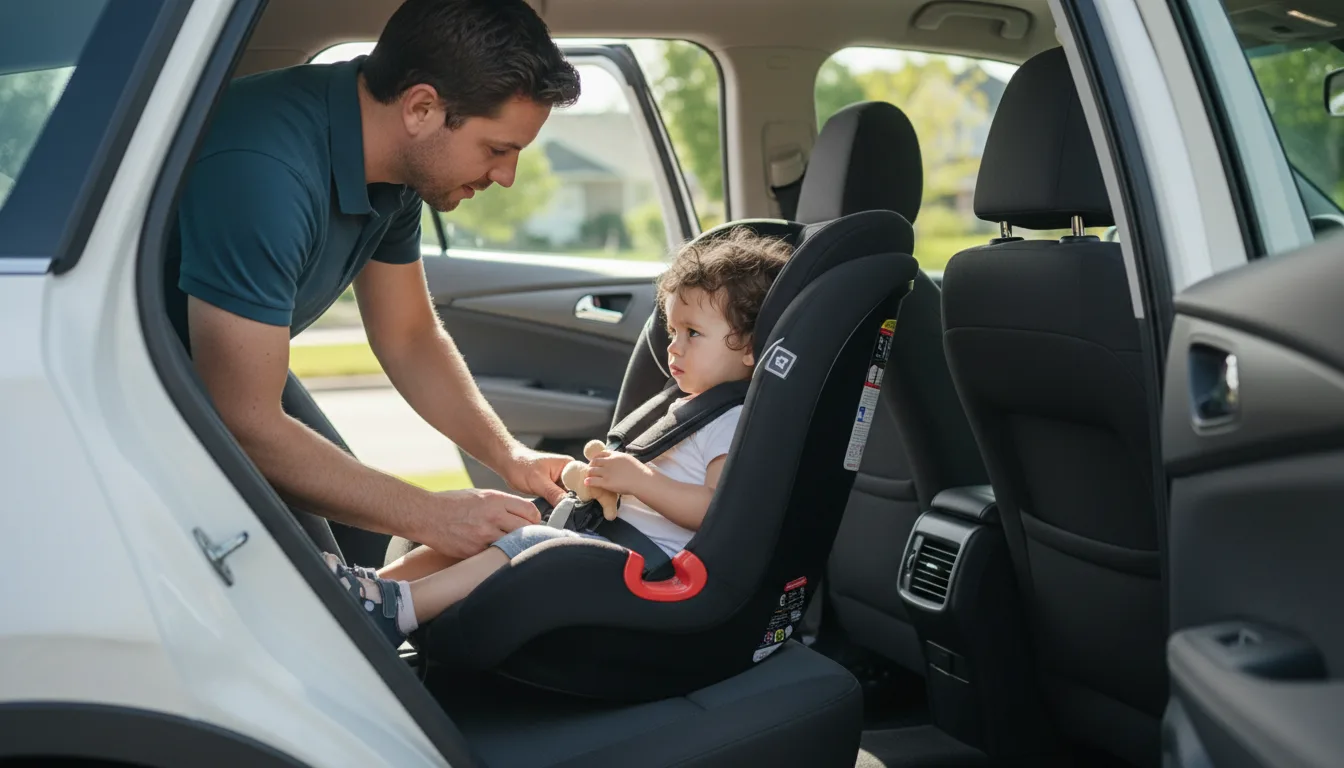
How to choose a child car seat in Malaysia
Choose a UN R44 or R129 approved restraint that fits the child, vehicle and every regular caregiver. Correct installation and daily harness use matter more than premium extras.

Baby monitor buying guide for Malaysian homes
Compare dedicated-parent-unit, Wi-Fi and hybrid monitors by connection, battery, night viewing, account security and what still works when the internet goes down. A monitor supports supervision; it does not make a sleep setup safe.

First antenatal visit checklist in Malaysia
Prepare dates, health history, medicines, previous records and practical questions for early pregnancy care without turning a checklist into personal medical advice.
Postnatal and newborn follow-up checklist
Keep maternal and child records, feeding or recovery observations, appointments and urgent-care contacts organised after birth.