
Common warning signs of a scam website
A polished site, padlock and familiar logo do not prove legitimacy. Verify the legal entity, domain, contact route, payment beneficiary and regulator records independently before entering card details or transferring money.
Stop at the payment beneficiary
A seller or investment operator asking for transfer to an unrelated personal account is a major warning. Verify the account or phone number through PDRM’s Semak Mule and confirm payment instructions through independently sourced contact details.
Check the identity outside the website
- Search the exact legal business name and registration information.
- Type the known official domain yourself instead of following an advert or message link.
- For investments, use the SC Investment Checker and Investor Alert List.
- For financial-services claims, check BNM’s Financial Consumer Alert List.
- Call a published official number to verify unusual payment or account instructions.
Look beyond the padlock
HTTPS only encrypts the connection; scammers can obtain certificates. Treat a newly changed domain, copied policies, broken social links, impossible discounts, countdown pressure, no physical identity and bank-transfer-only checkout as signals that require more checking.
Do not install the seller’s software
A legitimate purchase does not require remote-access software, an Android package sent in chat or screen sharing of banking activity. Stop if a caller asks for an OTP, PIN, password or card security code.
If you paid or entered credentials
Use the bank’s official contact immediately, call NSRC 997, change exposed passwords from a clean device and preserve the URL, messages, account number and transaction record. Do not warn the scammer before trying to secure funds and accounts.
Key takeaways
- A logo, reviews and HTTPS padlock can all be copied or obtained by a scammer.
- Verify the entity, domain and payment beneficiary through independent official channels.
- Search Semak Mule and the relevant SC or BNM alert/checker, but remember warning lists are not exhaustive.
- After payment or credential exposure, contact the bank and NSRC 997 immediately.
Related guides

How to request a refund in Malaysia
When goods fail statutory guarantees, document the problem, notify the supplier promptly and request the remedy supported by the Consumer Protection Act 1999. A change of mind is different from defective or misdescribed goods.

What to do when an online seller refuses a valid return
Preserve the listing and unboxing evidence, use the platform dispute before its deadline, make a precise written demand, then consider KPDN or TTPM. A seller’s internal policy does not decide every statutory issue.

How to file a claim with TTPM
TTPM hears eligible consumer claims up to RM50,000 that accrued within three years. Filing Form 1 costs RM5; prepare a focused chronology, serve the respondent correctly and attend with organised evidence.
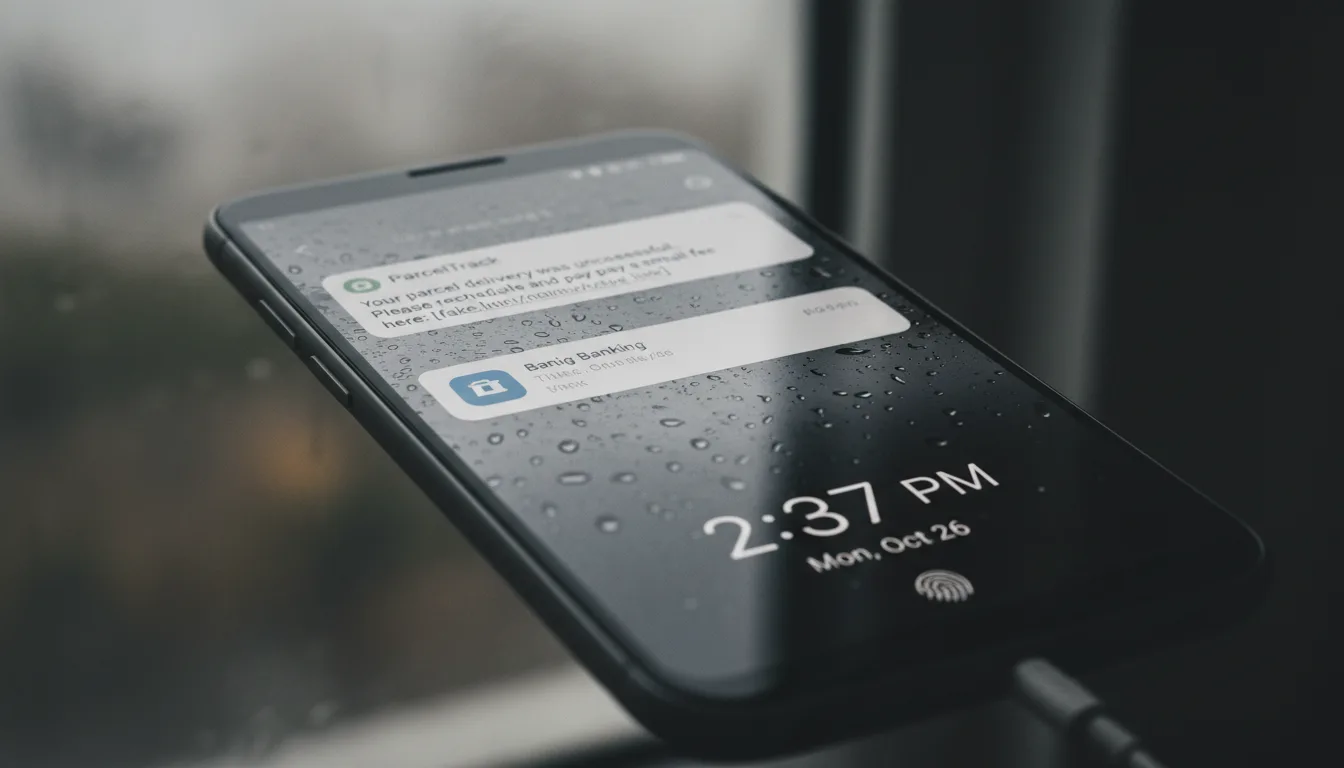
Parcel-delivery scam SMS: what to do
Fake courier messages use a delivery problem or small redelivery fee to lead victims to credential-stealing pages. Do not use the embedded link; check the parcel in the courier’s official app or site and call 997 quickly if money was sent.