
Replacement tyre size, load and approval checklist
Start from the vehicle maker’s size and pressure data, then verify tyre markings, condition, component approval and any alternative-size process.
Tyres with the same rim diameter can differ in width, profile, load and speed capability. The vehicle’s approved combination also affects clearance, instruments and safety systems.
What the official sources establish
JPJ publishes Component Type Approval information and an official route concerning alternative tyre sizes. The owner’s manual or vehicle placard remains the starting point for the manufacturer’s specified size, load and pressure.
What to check
- Size, load index, speed symbol and type meet the vehicle’s documented requirement.
- Manufacture code, damage, repairs and storage condition are inspected before fitment.
- Component approval markings and seller or installer identity are traceable.
- Alternative dimensions have the required clearance and official approval where applicable.
A practical way to decide
- Copy tyre and pressure specifications from the placard and owner’s manual.
- Compare exact markings, not a shop’s shorthand description.
- Ask for the manufacturing date and inspect all four tyres before installation.
- Record rotation, alignment, pressures and invoice details after fitting.
A useful decision rule
Use the maker-specified combination unless there is a documented reason and lawful route to change it. Appearance should not override load capacity, clearance or approval.
Common mistake to avoid
Do not fit a lower load rating or assume a very old unused tyre is equivalent to a recent one. Inspect age and condition and seek professional advice on any damage or repair.
Keep the evidence
Save the dated product page, quotation or terms you relied on, together with receipts, model or registration numbers and written messages. Public pages and commercial terms can change; recheck the linked official sources before committing money or making a complaint.
Key takeaways
- Size, load index, speed symbol and type meet the vehicle’s documented requirement.
- Manufacture code, damage, repairs and storage condition are inspected before fitment.
- Component approval markings and seller or installer identity are traceable.
Related guides
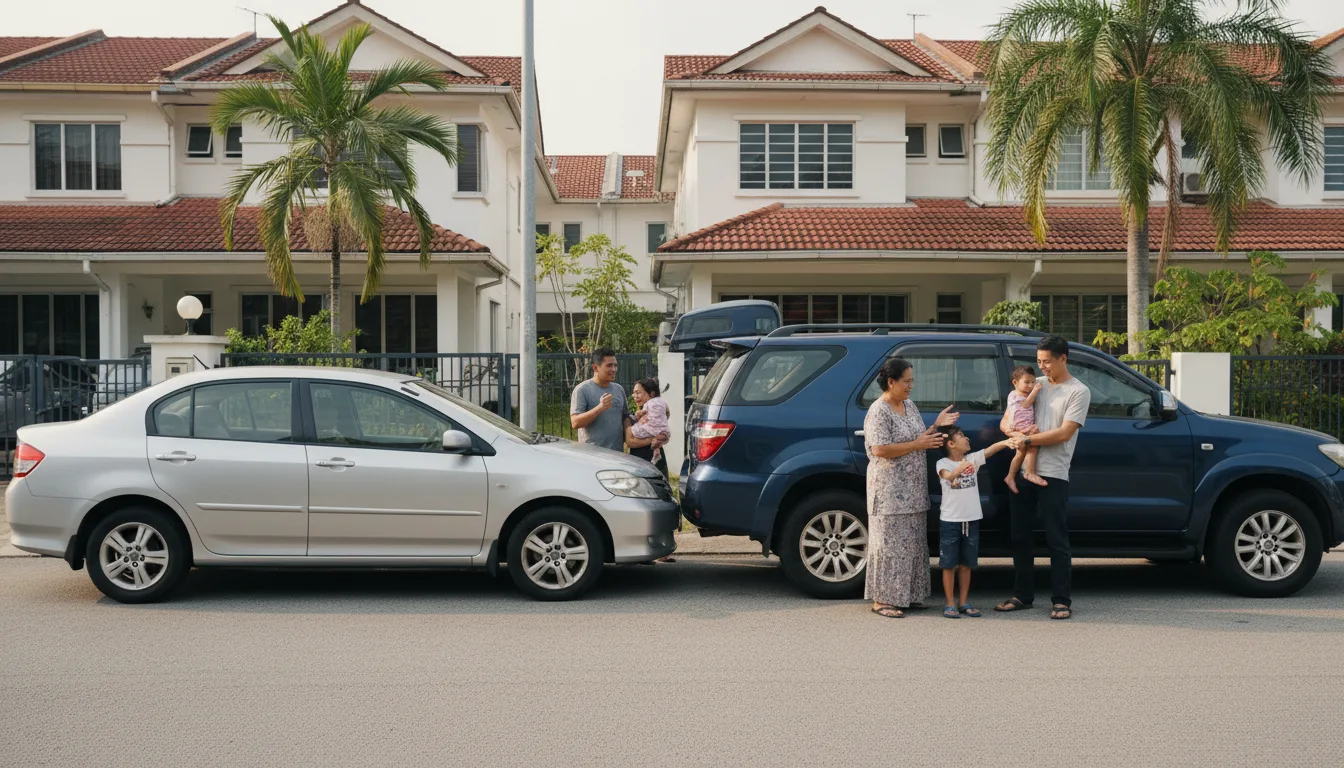
Sedan vs SUV for Malaysian families
A sedan usually buys more boot length and lower running costs for the money; an SUV offers a higher seating position and more flexible access. Compare the exact models, child-seat fit and full ownership cost—not body style alone.

Electric cars worth considering for Malaysian drivers
Current Malaysian options now span compact hatchbacks, local crossovers and longer-range sedans. We compare official WLTP range, battery, charging, boot space, pricing structure and the home-charging question.
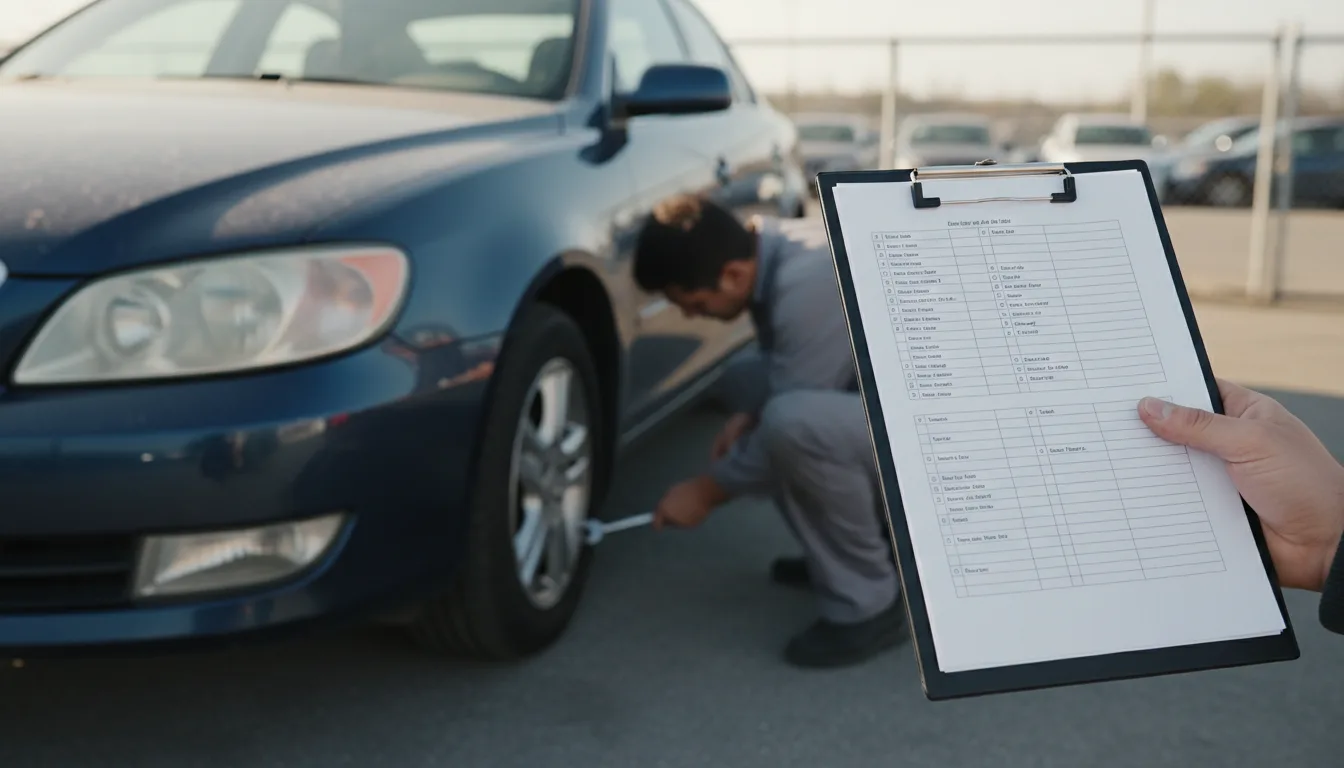
What to inspect before buying a used car in Malaysia
Verify identity and ownership, inspect structure and flood signs, scan electronics, test-drive from cold and use the correct PUSPAKOM inspection route. A mandatory ownership-transfer inspection is not a full pre-purchase condition report.
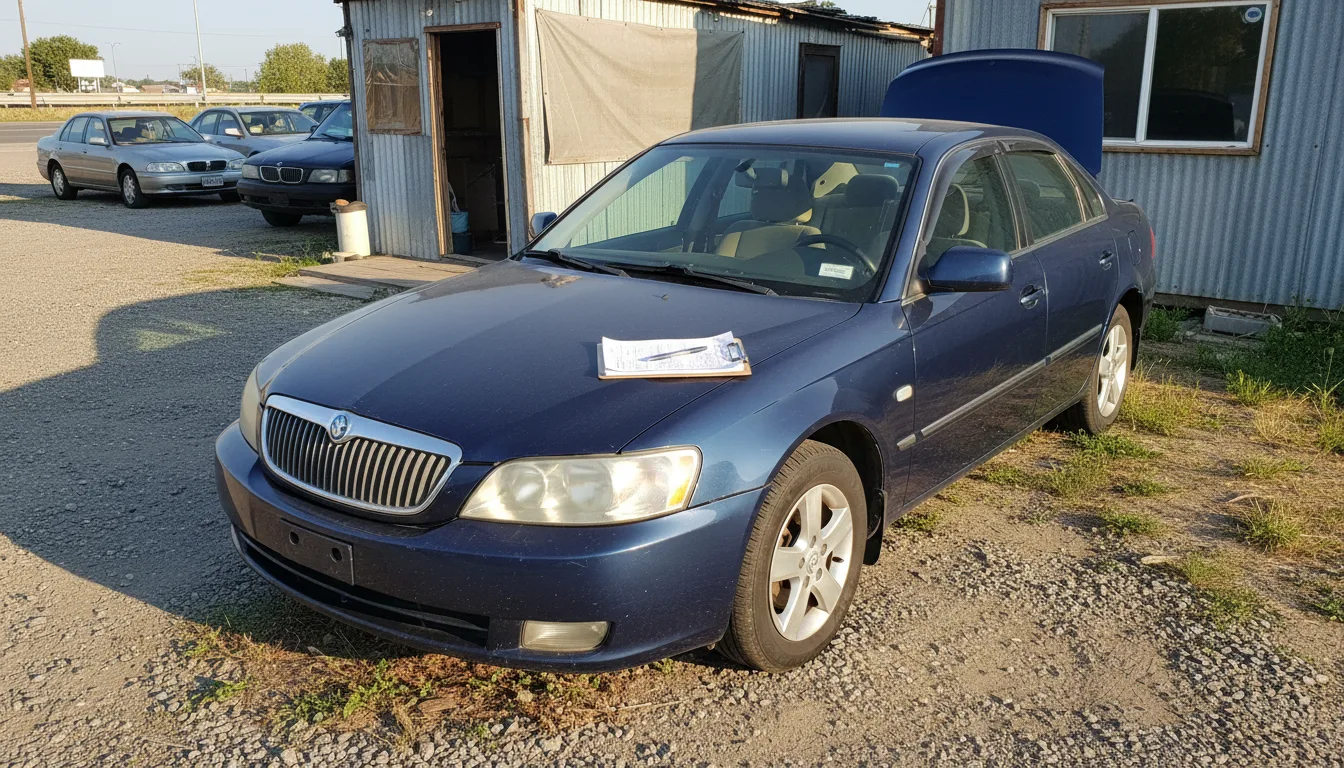
Used-car ownership transfer and purchase checklist
Coordinate identity, inspection, finance settlement, payment and JPJ ownership transfer without leaving an undocumented gap.