
Common decision mistakes with used cars
Avoid recurring comparison, verification, cost and record-keeping errors when dealing with used cars. Includes a practical checklist, decision rule and dated Malaysian source trail.
Avoid recurring comparison, verification, cost and record-keeping errors when dealing with used cars. New and used car buying, negotiation and total cost of ownership.
The decision lens
Use the exact vehicle, variant and registration details to check ownership history, approval, safety, financing, insurance, warranty, maintenance and local support.
Start with the source trail
The dated source set for this guide includes material from PUSPAKOM. Open the linked page itself, check its date and scope, and use the exact identifier that applies to your product, provider, account, vehicle, practitioner or complaint.
What to check
- Do not compare different specifications, time periods or user scenarios as if they match.
- Do not treat popularity, familiarity or a high rating as proof of suitability.
- Do not ignore exclusions, recurring work, exit terms or the cost of failure.
- Do not rely on memory for a material promise or complaint timeline.
- Match every inspection, approval, recall, warranty and service record to the exact registration or vehicle identification details.
A practical sequence
- Write the decision criteria before viewing offers.
- Verify the most consequential claim first.
- Calculate a normal and adverse scenario.
- Ask another household member to challenge the assumptions.
A useful decision rule
If changing one hidden assumption reverses the choice, verify that assumption before proceeding.
Common mistake to avoid
More research is not automatically better when it repeats the same unsupported claim across many pages. Do not assume another model year, variant or owner’s experience applies to the vehicle being considered.
Recheck before acting
Sources were checked on 2026-09-09. Rules, prices, eligibility, registers and provider terms can change, so revisit the linked primary pages immediately before paying, signing, using a safety-critical item or escalating a complaint.
Key takeaways
- Do not compare different specifications, time periods or user scenarios as if they match.
- Do not treat popularity, familiarity or a high rating as proof of suitability.
- Do not ignore exclusions, recurring work, exit terms or the cost of failure.
Related guides
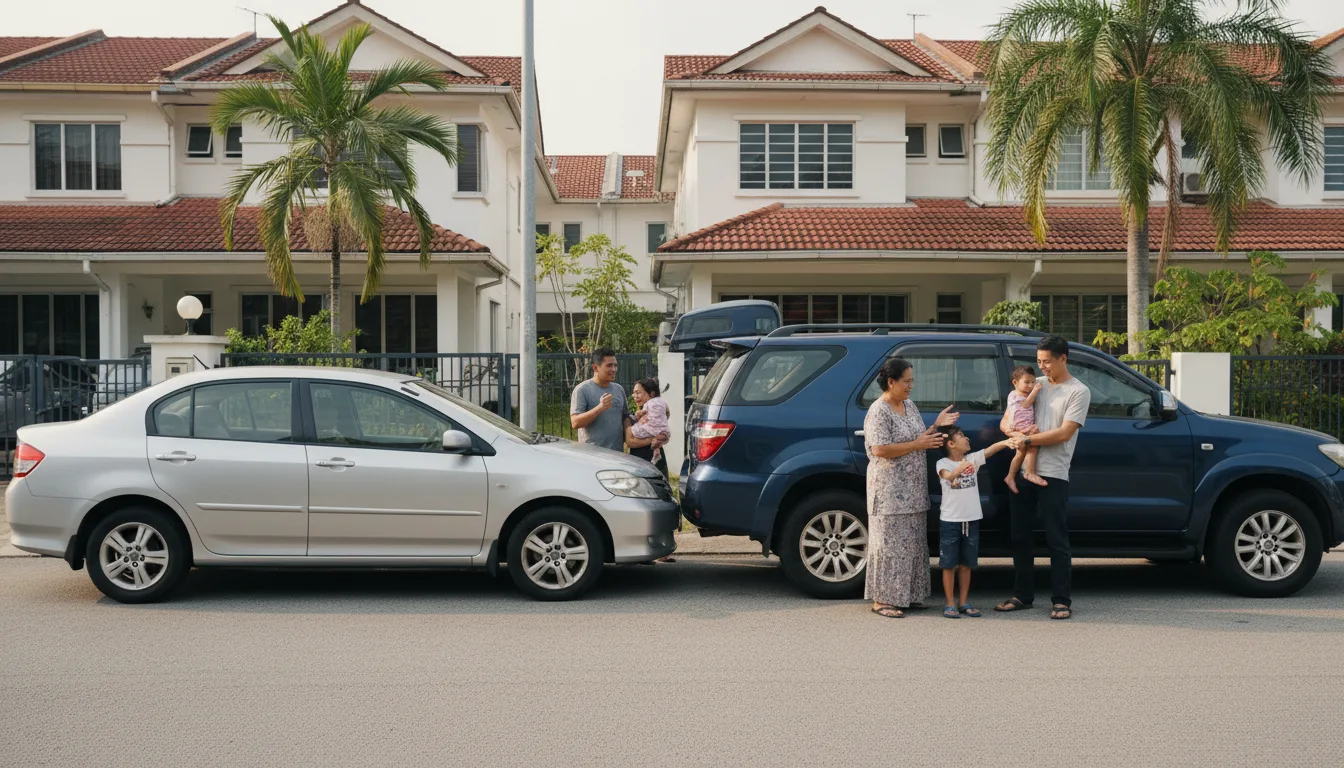
Sedan vs SUV for Malaysian families
A sedan usually buys more boot length and lower running costs for the money; an SUV offers a higher seating position and more flexible access. Compare the exact models, child-seat fit and full ownership cost—not body style alone.
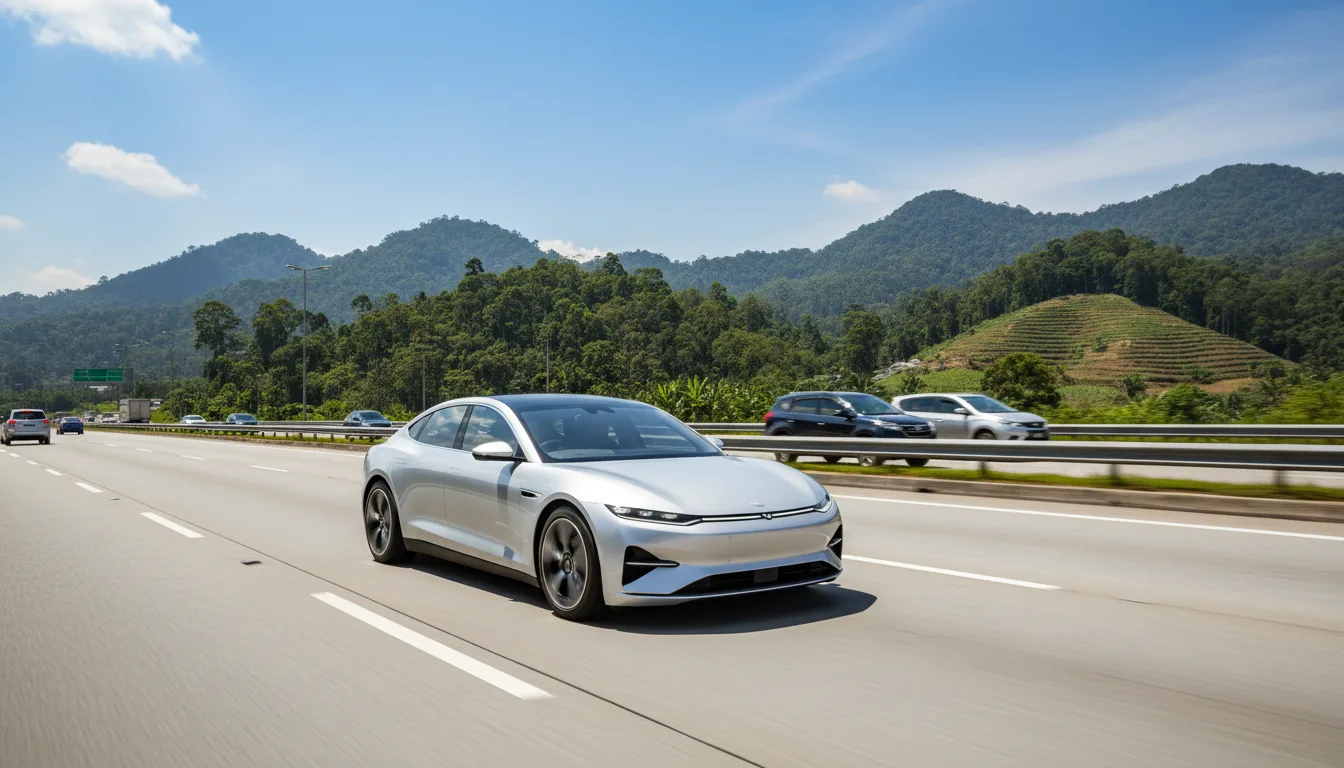
Electric cars worth considering for Malaysian drivers
Current Malaysian options now span compact hatchbacks, local crossovers and longer-range sedans. We compare official WLTP range, battery, charging, boot space, pricing structure and the home-charging question.
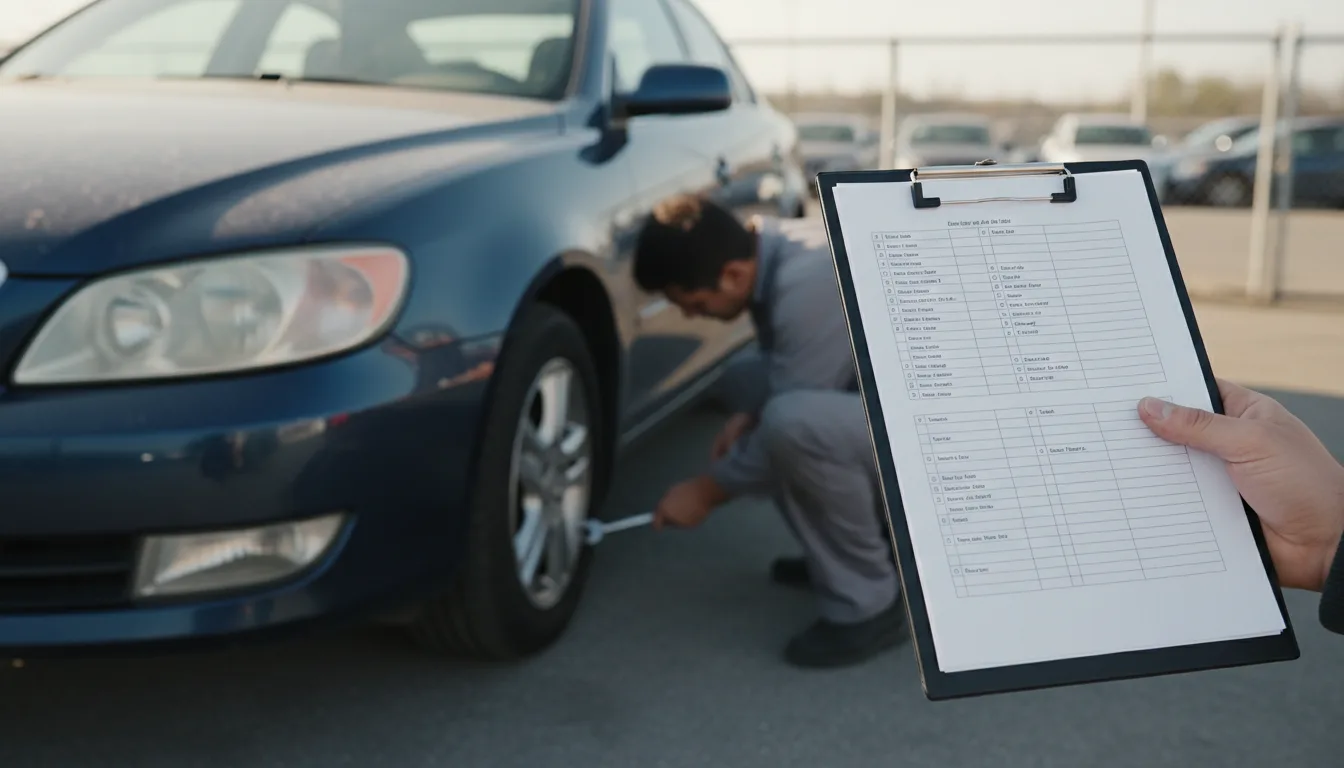
What to inspect before buying a used car in Malaysia
Verify identity and ownership, inspect structure and flood signs, scan electronics, test-drive from cold and use the correct PUSPAKOM inspection route. A mandatory ownership-transfer inspection is not a full pre-purchase condition report.
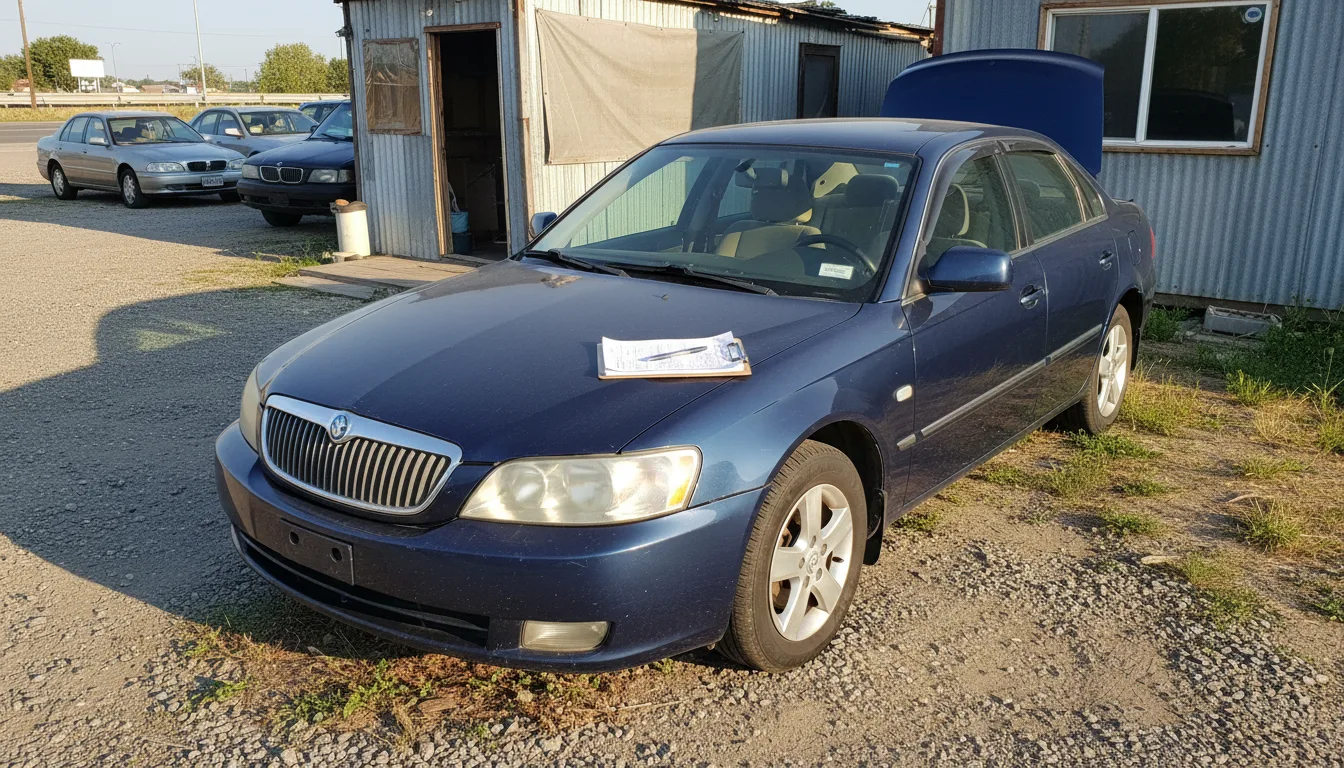
Used-car ownership transfer and purchase checklist
Coordinate identity, inspection, finance settlement, payment and JPJ ownership transfer without leaving an undocumented gap.