
Home EV charging safety and installation checklist
Check electrical capacity, competent parties, approved charging mode, protection, location and strata approval before ordering a charger.
Home charging is an electrical installation project, not simply an appliance delivery. The vehicle, charger, building supply, cable route, protection and parking arrangement must be considered as one system.
What the official sources establish
The Energy Commission’s EVCS guideline sets Malaysian requirements for charging modes, equipment, competent persons and installation or operation. Current property and utility approvals may also apply.
What to check
- Supply and load assessment covers existing household demand and proposed charging power.
- Charger, connector, protective equipment and installation method follow the current EVCS guideline.
- Designer, contractor and competent person responsibilities and registration are verified.
- Cable route, impact, weather, ventilation, fire access and strata or management approvals are addressed.
A practical way to decide
- Collect vehicle charging specifications and photographs of the proposed route.
- Obtain a site assessment from appropriately registered parties.
- Secure written property, management and utility approvals where required.
- Receive test, commissioning, labelling, warranty and maintenance records at handover.
A useful decision rule
Choose the charging power the property can support safely and the vehicle can use, rather than the largest wallbox number. Proper design and protection come before speed.
Common mistake to avoid
Do not rely on long-term charging from an ordinary non-dedicated socket or perform DIY fixed wiring. Follow the current Energy Commission guideline and the competent installer’s certified design.
Keep the evidence
Save the dated product page, quotation or terms you relied on, together with receipts, model or registration numbers and written messages. Public pages and commercial terms can change; recheck the linked official sources before committing money or making a complaint.
Key takeaways
- Supply and load assessment covers existing household demand and proposed charging power.
- Charger, connector, protective equipment and installation method follow the current EVCS guideline.
- Designer, contractor and competent person responsibilities and registration are verified.
Related guides
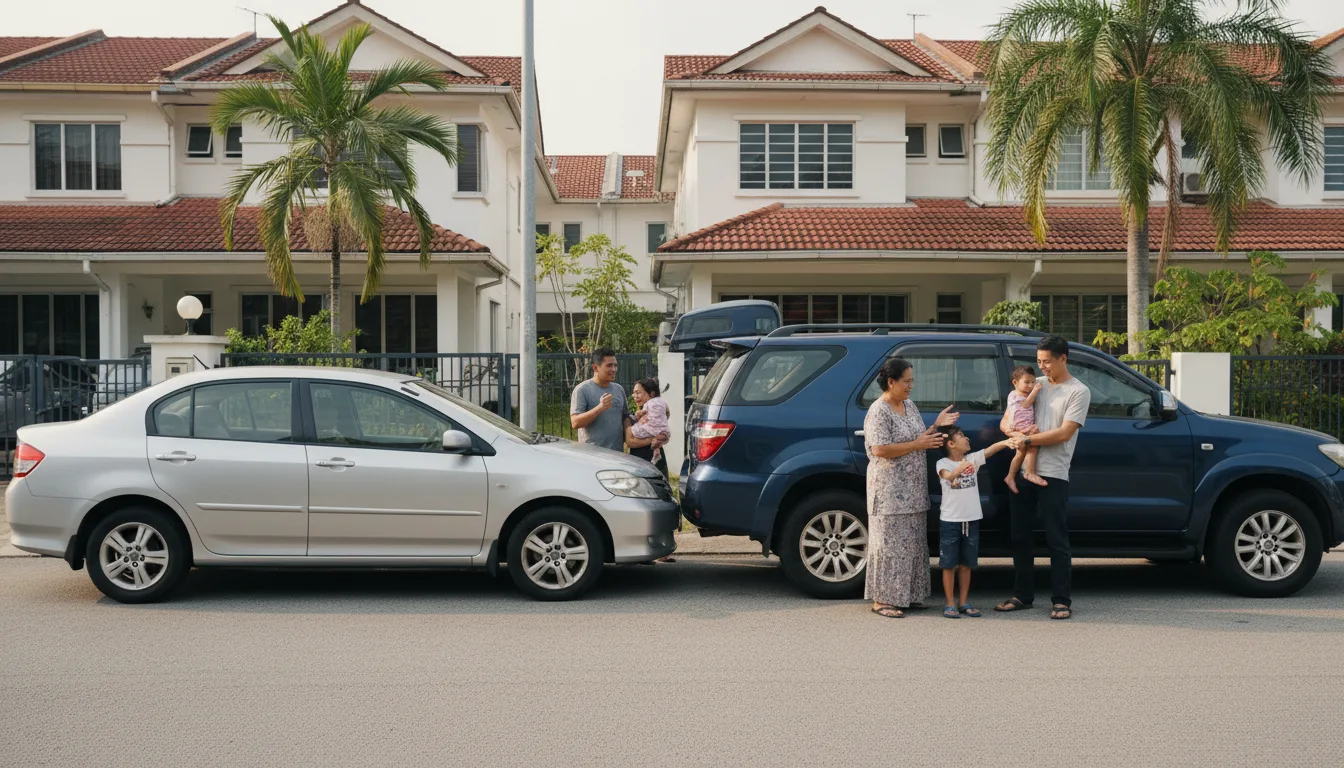
Sedan vs SUV for Malaysian families
A sedan usually buys more boot length and lower running costs for the money; an SUV offers a higher seating position and more flexible access. Compare the exact models, child-seat fit and full ownership cost—not body style alone.
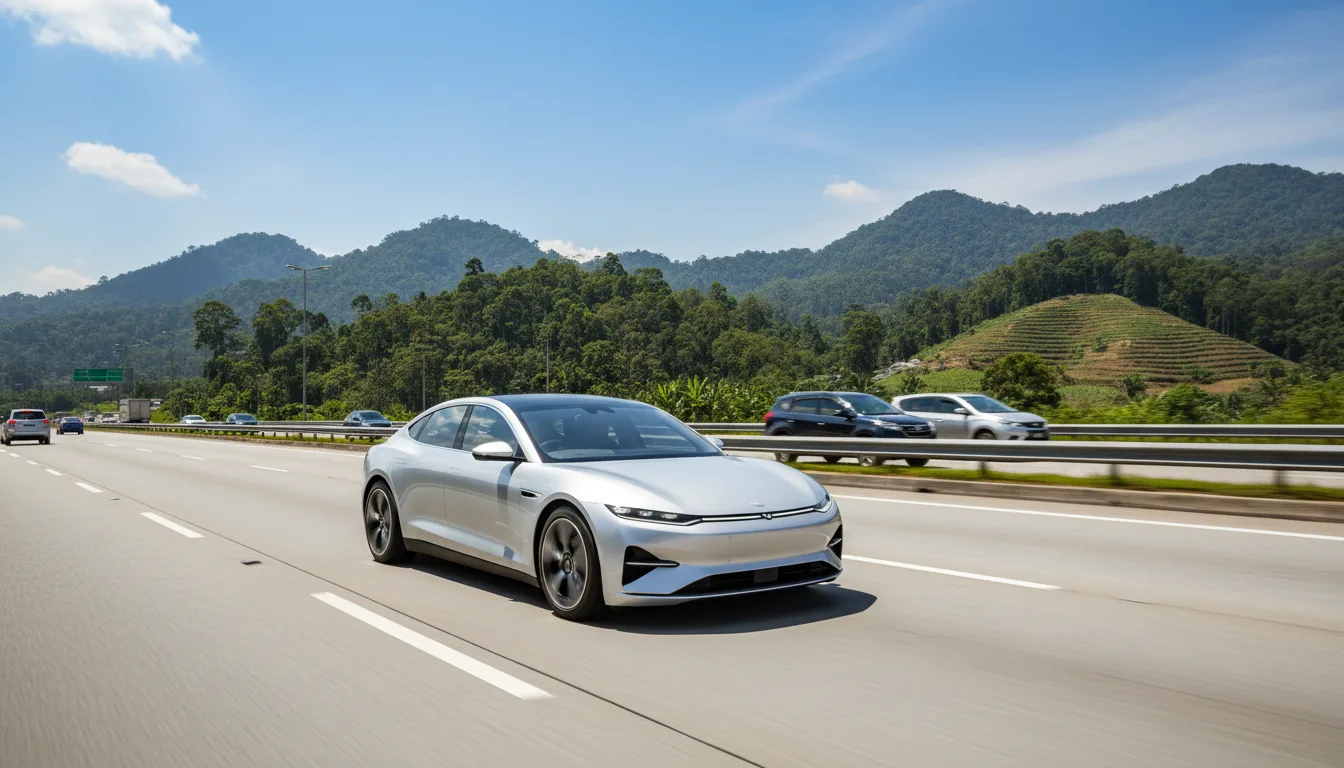
Electric cars worth considering for Malaysian drivers
Current Malaysian options now span compact hatchbacks, local crossovers and longer-range sedans. We compare official WLTP range, battery, charging, boot space, pricing structure and the home-charging question.
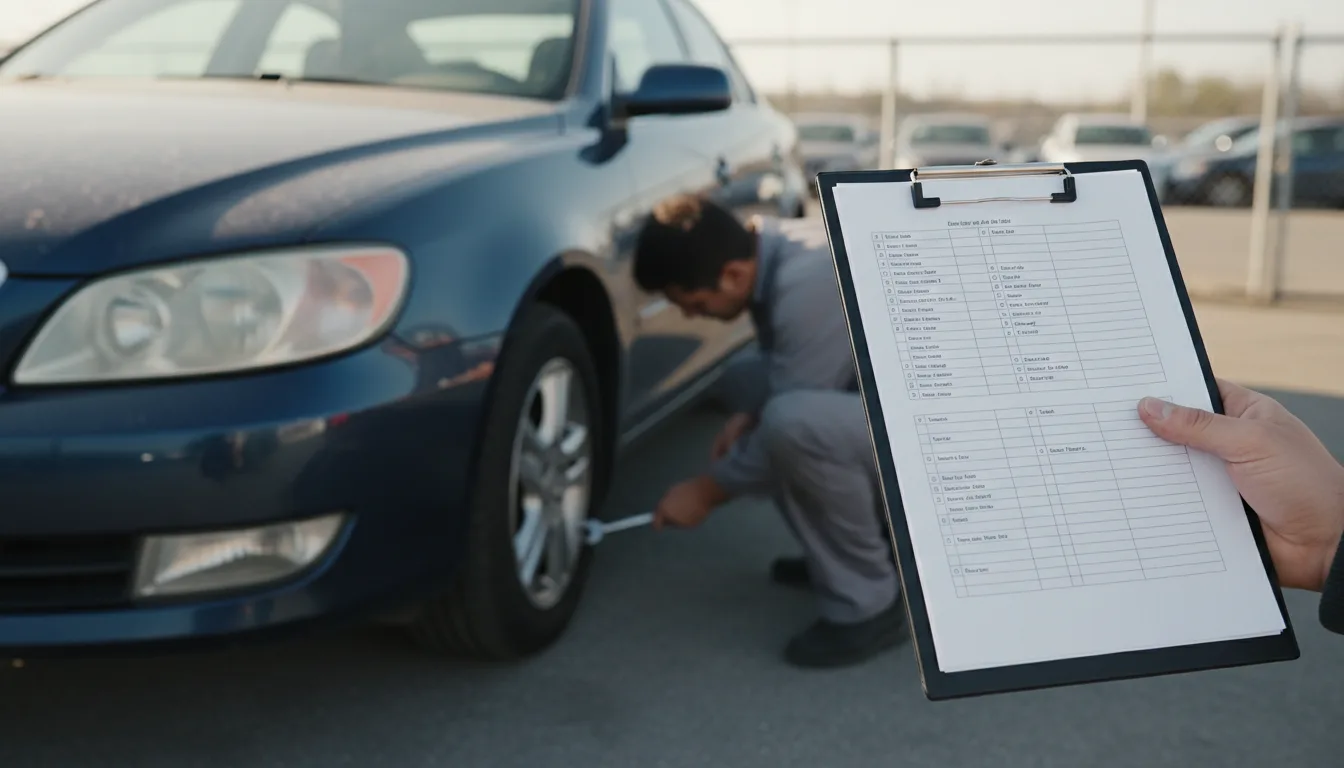
What to inspect before buying a used car in Malaysia
Verify identity and ownership, inspect structure and flood signs, scan electronics, test-drive from cold and use the correct PUSPAKOM inspection route. A mandatory ownership-transfer inspection is not a full pre-purchase condition report.
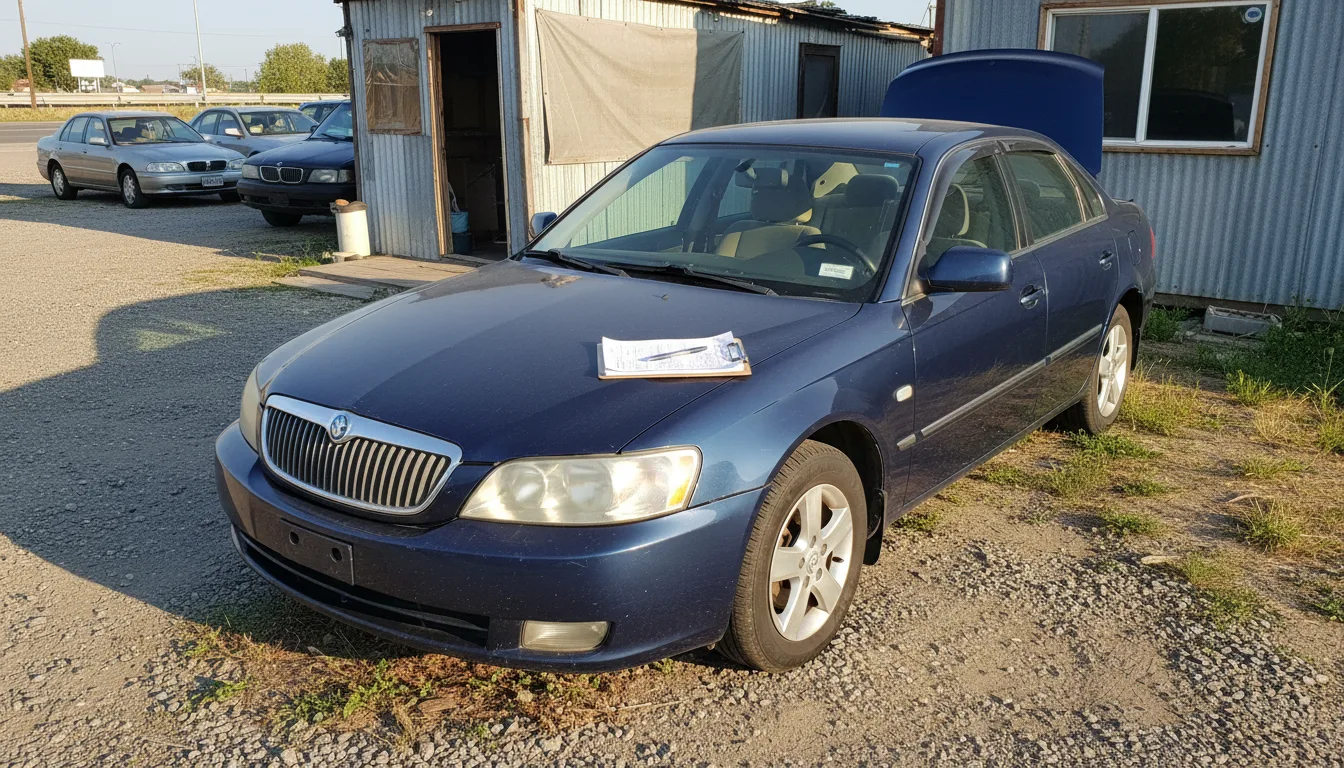
Used-car ownership transfer and purchase checklist
Coordinate identity, inspection, finance settlement, payment and JPJ ownership transfer without leaving an undocumented gap.