
What to do after a car accident and insurance claim
Prioritise safety, preserve scene and vehicle evidence, notify the correct parties and keep a complete claims timeline.
The first priority is people and immediate road safety. Once urgent help is addressed, accurate photographs, parties’ details, reports and prompt insurer contact protect the claims process better than arguing about fault at the scene.
What the official sources establish
Bank Negara Malaysia’s claims-settlement framework and the individual motor policy govern the formal process. Police, emergency, tow and insurer instructions should be obtained through verified official channels.
What to check
- Location, time, road and weather conditions and vehicle positions are recorded safely.
- Driver, vehicle, insurer and witness information is exchanged without exposing it publicly.
- Damage and the wider scene are photographed before movement where safe and lawful.
- Insurer notification, report, tow authorisation and workshop instructions are time-stamped.
A practical way to decide
- Move away from immediate danger and call emergency services when needed.
- Collect evidence calmly without admitting or forcing an admission of liability.
- Contact the insurer through the official number and follow reporting instructions.
- Keep reports, estimates, job sheets, excess payments and every claim reference.
A useful decision rule
Follow safety and official reporting requirements first; let evidence and the formal process address liability. Use only an authorised tow or repair path confirmed by the insurer.
Common mistake to avoid
Do not hand the vehicle or keys to an unsolicited tow operator based only on roadside pressure. Verify identity, destination, charges and insurer authorisation.
Keep the evidence
Save the dated product page, quotation or terms you relied on, together with receipts, model or registration numbers and written messages. Public pages and commercial terms can change; recheck the linked official sources before committing money or making a complaint.
Key takeaways
- Location, time, road and weather conditions and vehicle positions are recorded safely.
- Driver, vehicle, insurer and witness information is exchanged without exposing it publicly.
- Damage and the wider scene are photographed before movement where safe and lawful.
Related guides
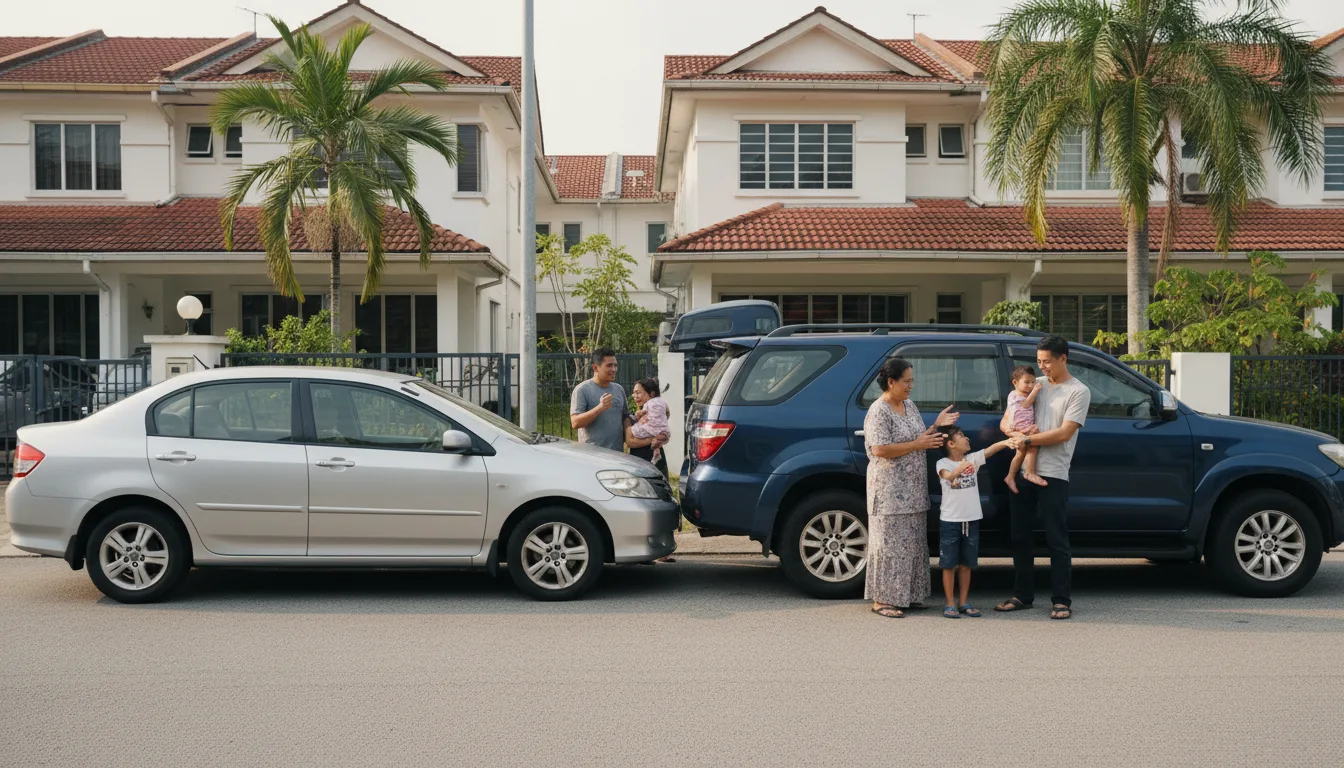
Sedan vs SUV for Malaysian families
A sedan usually buys more boot length and lower running costs for the money; an SUV offers a higher seating position and more flexible access. Compare the exact models, child-seat fit and full ownership cost—not body style alone.
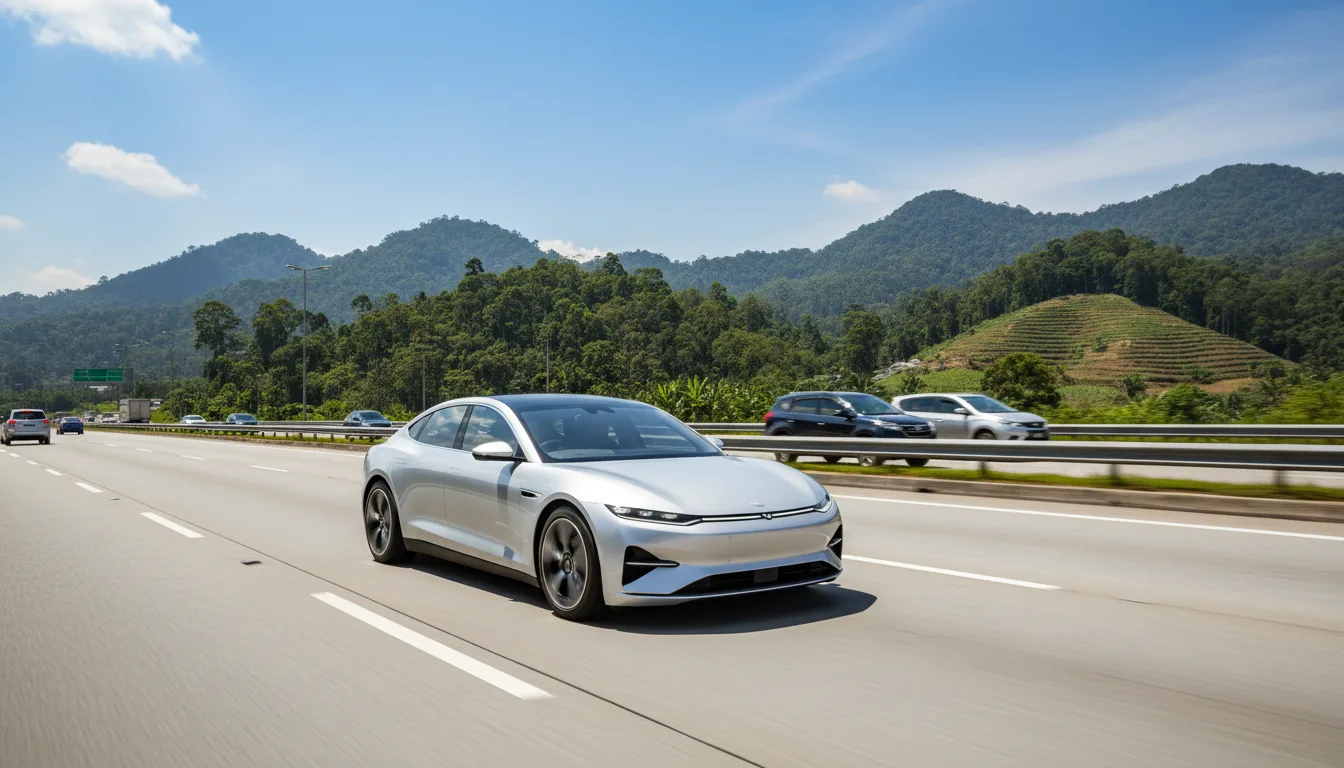
Electric cars worth considering for Malaysian drivers
Current Malaysian options now span compact hatchbacks, local crossovers and longer-range sedans. We compare official WLTP range, battery, charging, boot space, pricing structure and the home-charging question.
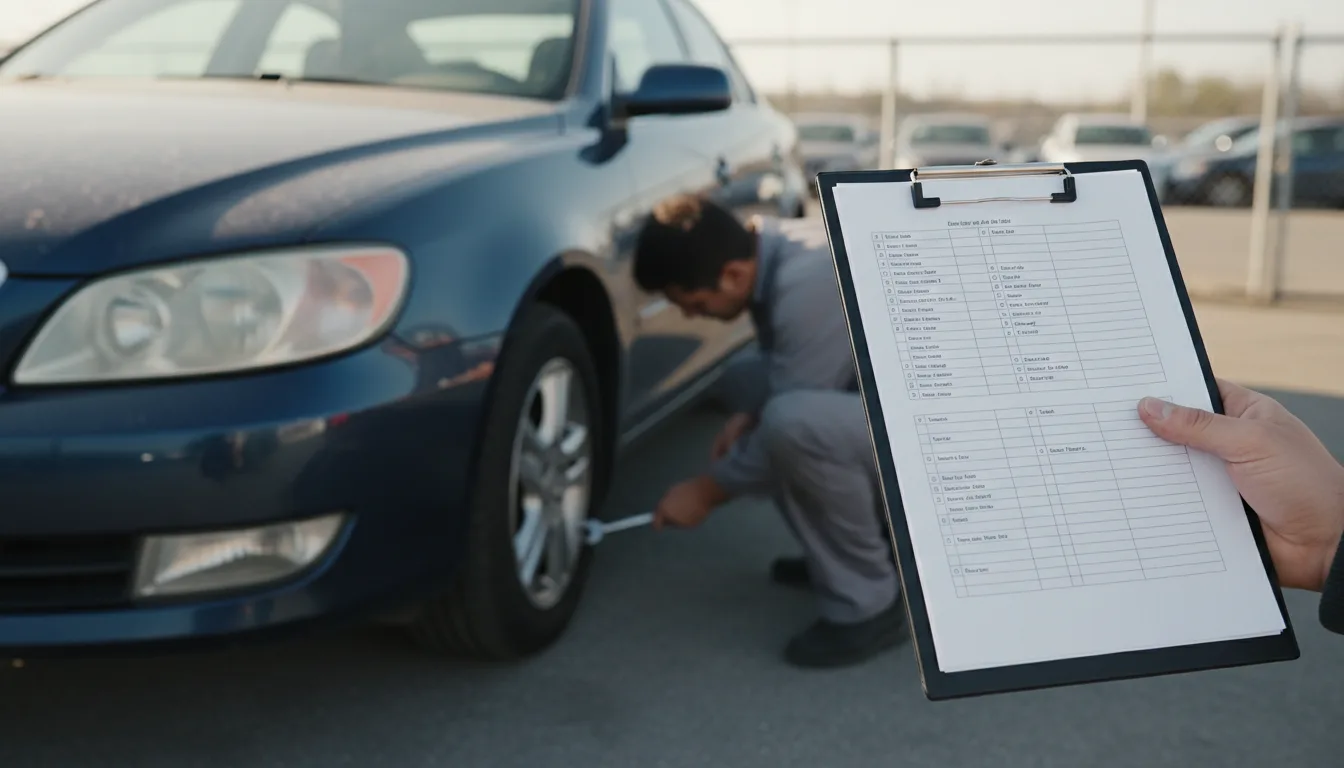
What to inspect before buying a used car in Malaysia
Verify identity and ownership, inspect structure and flood signs, scan electronics, test-drive from cold and use the correct PUSPAKOM inspection route. A mandatory ownership-transfer inspection is not a full pre-purchase condition report.
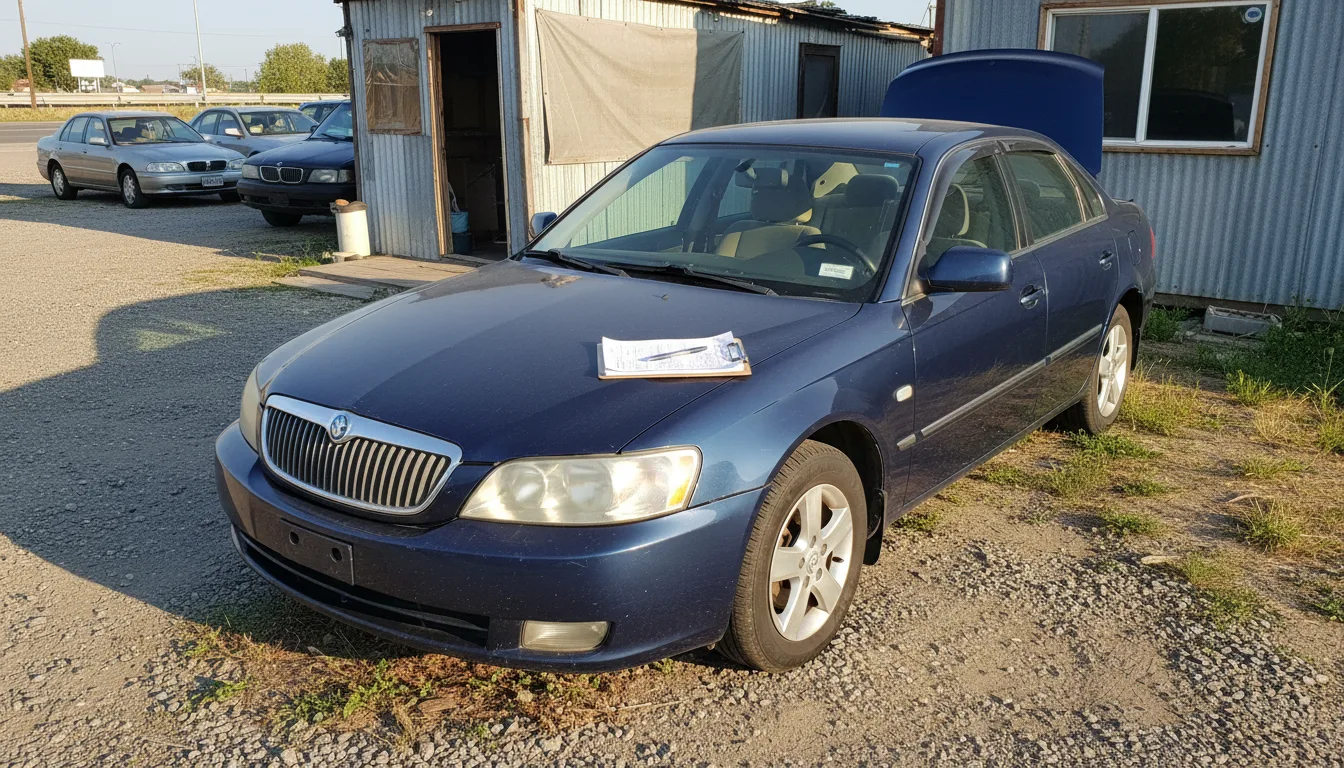
Used-car ownership transfer and purchase checklist
Coordinate identity, inspection, finance settlement, payment and JPJ ownership transfer without leaving an undocumented gap.