
Choosing learning toys without misleading claims
Judge a toy by the activity it supports, age suitability, replay value and safety rather than an unverified promise to raise intelligence.
A toy can support conversation, movement, construction or imaginative play without proving a broad claim about intelligence or future school performance. Start with the activity and the child’s interest, not the marketing outcome.
What the official sources establish
Consumer descriptions should not be misleading, and toy-safety requirements remain applicable whether a product is sold as educational or purely recreational. No safety mark establishes a learning outcome.
What to check
- The claimed skill is specific enough to observe during play.
- Challenge level suits the child without requiring constant adult correction.
- Parts, warnings and battery or digital features pass the same safety check as any toy.
- The toy permits more than one use rather than producing only a fixed demonstration.
A practical way to decide
- Name the activity you want to encourage: sorting, building, language, movement or pretend play.
- Watch how the child currently approaches a similar low-cost activity.
- Choose a safe product that leaves room for choice and repetition.
- Review use after several weeks and rotate or pass it on if interest has ended.
A useful decision rule
Prefer a safe, open-ended activity the child will revisit over a product making the largest academic promise. Adult interaction and appropriate challenge often matter more than electronics.
Common mistake to avoid
Do not interpret “STEM”, “Montessori” or an age label as evidence of a tested developmental benefit. Ask what the child actually does with the product.
Keep the evidence
Save the dated product page, quotation or terms you relied on, together with receipts, model or registration numbers and written messages. Public pages and commercial terms can change; recheck the linked official sources before committing money or making a complaint.
Key takeaways
- The claimed skill is specific enough to observe during play.
- Challenge level suits the child without requiring constant adult correction.
- Parts, warnings and battery or digital features pass the same safety check as any toy.
Related guides
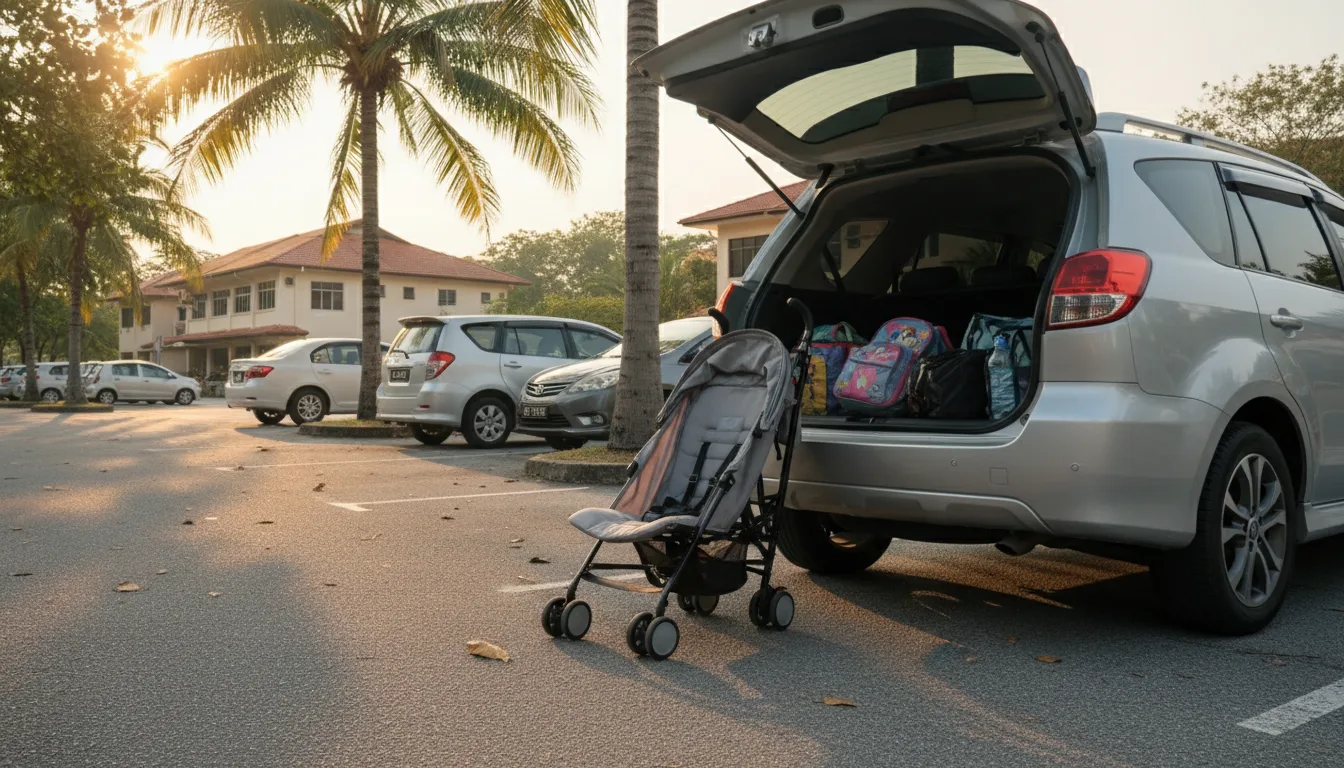
Lightweight vs full-size stroller for Malaysian families
A lightweight stroller is easier on stairs, in lifts and in a car boot; a full-size model normally gives stronger wheels, storage and all-day comfort. Compare folded dimensions and real carrying weight before features.
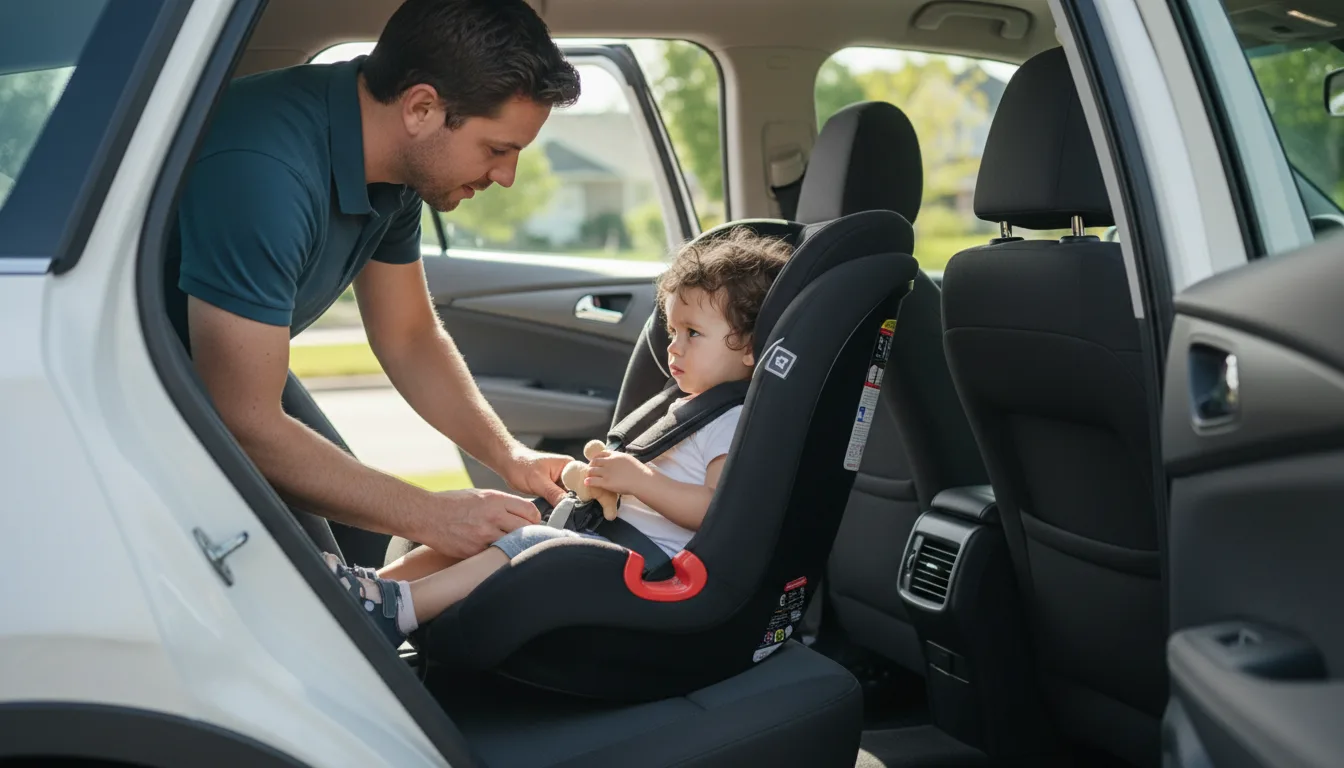
How to choose a child car seat in Malaysia
Choose a UN R44 or R129 approved restraint that fits the child, vehicle and every regular caregiver. Correct installation and daily harness use matter more than premium extras.

Baby monitor buying guide for Malaysian homes
Compare dedicated-parent-unit, Wi-Fi and hybrid monitors by connection, battery, night viewing, account security and what still works when the internet goes down. A monitor supports supervision; it does not make a sleep setup safe.
First antenatal visit checklist in Malaysia
Prepare dates, health history, medicines, previous records and practical questions for early pregnancy care without turning a checklist into personal medical advice.