
How to match toys & learning products to your household
Assess how toys & learning products fits the household’s people, space, routines, access needs, risk tolerance and realistic budget. Includes a practical checklist, decision rule and dated Malaysian source trail.
Assess how toys & learning products fits the household’s people, space, routines, access needs, risk tolerance and realistic budget. Age-appropriate toys and what to check when buying online.
The decision lens
Start with the child or caregiver’s age, development, routine and highest-consequence safety risks, then verify instructions, registration or service credentials.
Start with the source trail
The dated source set for this guide includes material from Ministry of Domestic Trade and Cost of Living. Open the linked page itself, check its date and scope, and use the exact identifier that applies to your product, provider, account, vehicle, practitioner or complaint.
What to check
- Count actual users and identify the most demanding normal use case.
- Measure relevant space, access, storage, transport or schedule constraints.
- Consider children, older people, disabilities, allergies and caregiver workload where relevant.
- Test whether everyone can follow the required setup, payment, maintenance or complaint process.
- Check age, size, supervision, cleaning and installation requirements for the exact child and product or service.
A practical sequence
- Observe the current routine for a typical week.
- Write down recurring friction and the outcome that would remove it.
- Trial the proposed process or dimensions before committing where possible.
- Choose the simplest option the household can use consistently.
A useful decision rule
Optimise for the household’s frequent real-world use, not an exceptional scenario or an ideal routine nobody will maintain.
Common mistake to avoid
Buying for maximum capacity or every possible feature can increase cost and complexity without improving daily life. Do not substitute a general article or another family’s experience for product instructions or advice from a qualified professional.
Recheck before acting
Sources were checked on 2026-09-09. Rules, prices, eligibility, registers and provider terms can change, so revisit the linked primary pages immediately before paying, signing, using a safety-critical item or escalating a complaint.
Key takeaways
- Count actual users and identify the most demanding normal use case.
- Measure relevant space, access, storage, transport or schedule constraints.
- Consider children, older people, disabilities, allergies and caregiver workload where relevant.
Related guides
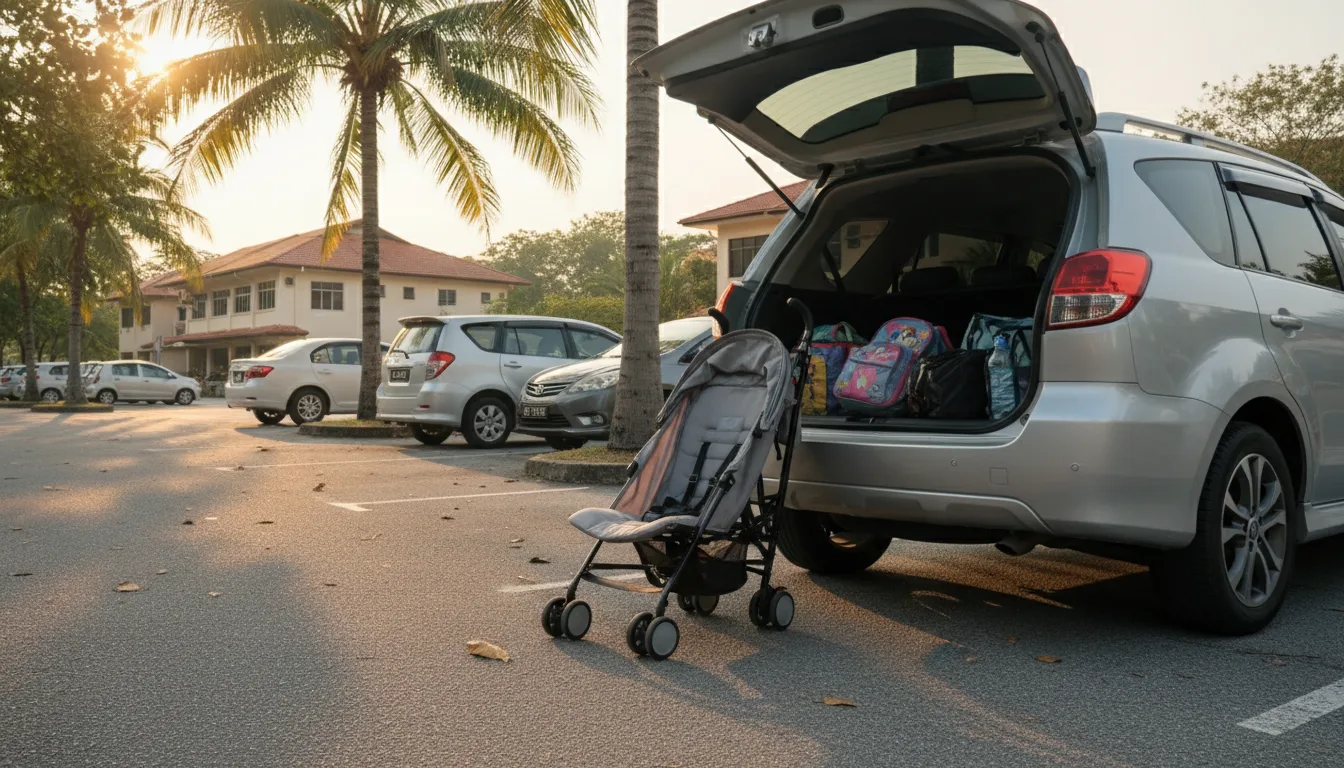
Lightweight vs full-size stroller for Malaysian families
A lightweight stroller is easier on stairs, in lifts and in a car boot; a full-size model normally gives stronger wheels, storage and all-day comfort. Compare folded dimensions and real carrying weight before features.
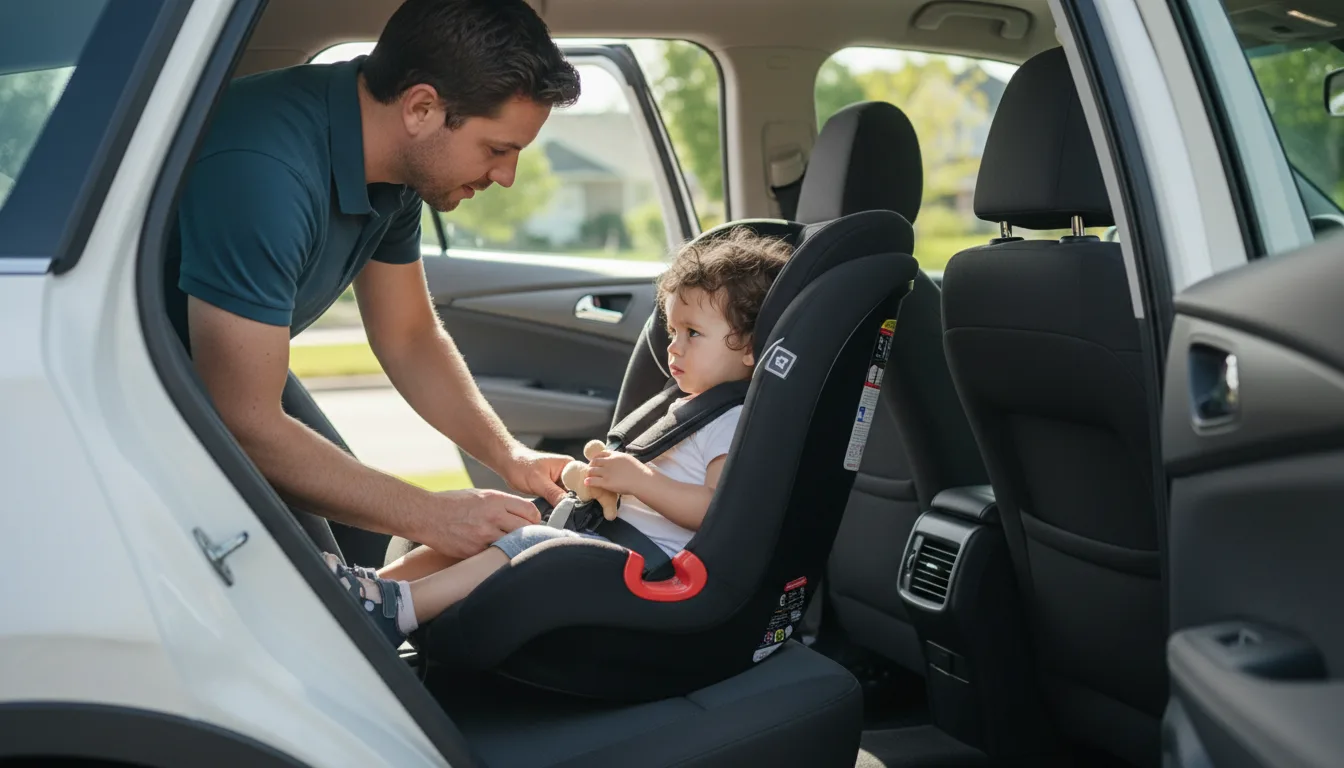
How to choose a child car seat in Malaysia
Choose a UN R44 or R129 approved restraint that fits the child, vehicle and every regular caregiver. Correct installation and daily harness use matter more than premium extras.

Baby monitor buying guide for Malaysian homes
Compare dedicated-parent-unit, Wi-Fi and hybrid monitors by connection, battery, night viewing, account security and what still works when the internet goes down. A monitor supports supervision; it does not make a sleep setup safe.

First antenatal visit checklist in Malaysia
Prepare dates, health history, medicines, previous records and practical questions for early pregnancy care without turning a checklist into personal medical advice.