
How to compare dental & vision care options fairly
Build a like-for-like comparison for dental & vision care so different labels, packages and sales language do not distort the result. Includes a practical checklist, decision rule and dated Malaysian source trail.
Build a like-for-like comparison for dental & vision care so different labels, packages and sales language do not distort the result. Dental care, glasses and contact lenses.
The decision lens
Separate regulated status, practitioner credentials, intended use, evidence, contraindications, follow-up and total cost from advertising or testimonial claims.
Start with the source trail
The dated source set for this guide includes material from Ministry of Health Malaysia, Medical Device Authority Malaysia. Open the linked page itself, check its date and scope, and use the exact identifier that applies to your product, provider, account, vehicle, practitioner or complaint.
What to check
- Use the same date, quantity, duration and use case for every option.
- Translate each claim into a measurable specification, condition or service commitment.
- Mark missing information as unknown instead of assuming it is included.
- Compare the full obligation on both sides, not only the promoted benefit.
- Verify the exact product, device, practitioner or premises in the appropriate official register before acting.
A practical sequence
- Create columns for need, evidence, upfront cost, ongoing cost and exit terms.
- Copy exact facts from official documents into the matching columns.
- Ask each provider the same unresolved questions in writing.
- Remove any option that fails a non-negotiable requirement before scoring preferences.
A useful decision rule
A fair comparison holds assumptions constant; if the assumptions differ, calculate separate scenarios rather than one misleading ranking.
Common mistake to avoid
Do not award an option points for a feature that is standard, unverified or irrelevant to the use case. This is general information, not medical advice, diagnosis or treatment; seek qualified care for personal symptoms or risk.
Recheck before acting
Sources were checked on 2026-09-09. Rules, prices, eligibility, registers and provider terms can change, so revisit the linked primary pages immediately before paying, signing, using a safety-critical item or escalating a complaint.
Key takeaways
- Use the same date, quantity, duration and use case for every option.
- Translate each claim into a measurable specification, condition or service commitment.
- Mark missing information as unknown instead of assuming it is included.
Related guides
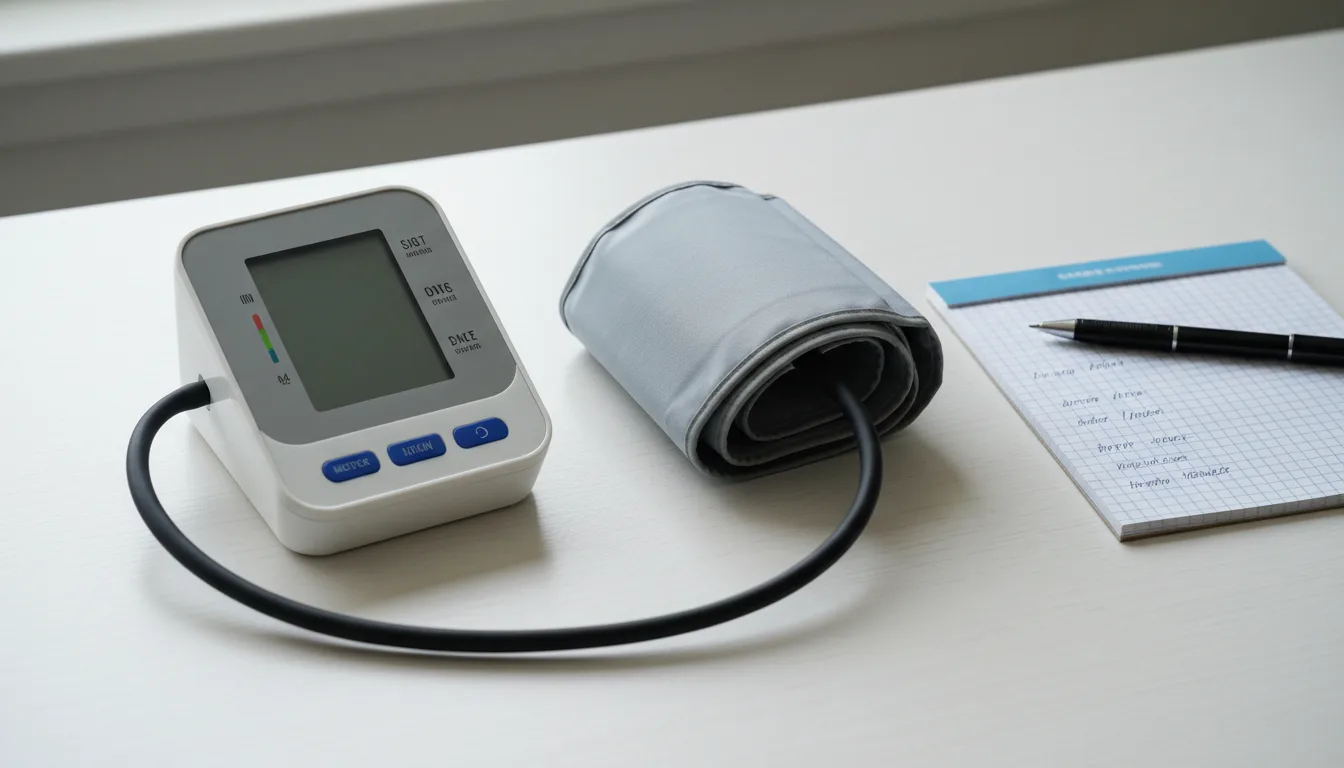
How to choose a home blood-pressure monitor in Malaysia
Choose a validated automatic upper-arm monitor with a cuff that fits, then confirm the exact model in Malaysia’s medical-device register. Memory and Bluetooth are useful only after fit and validation are right.
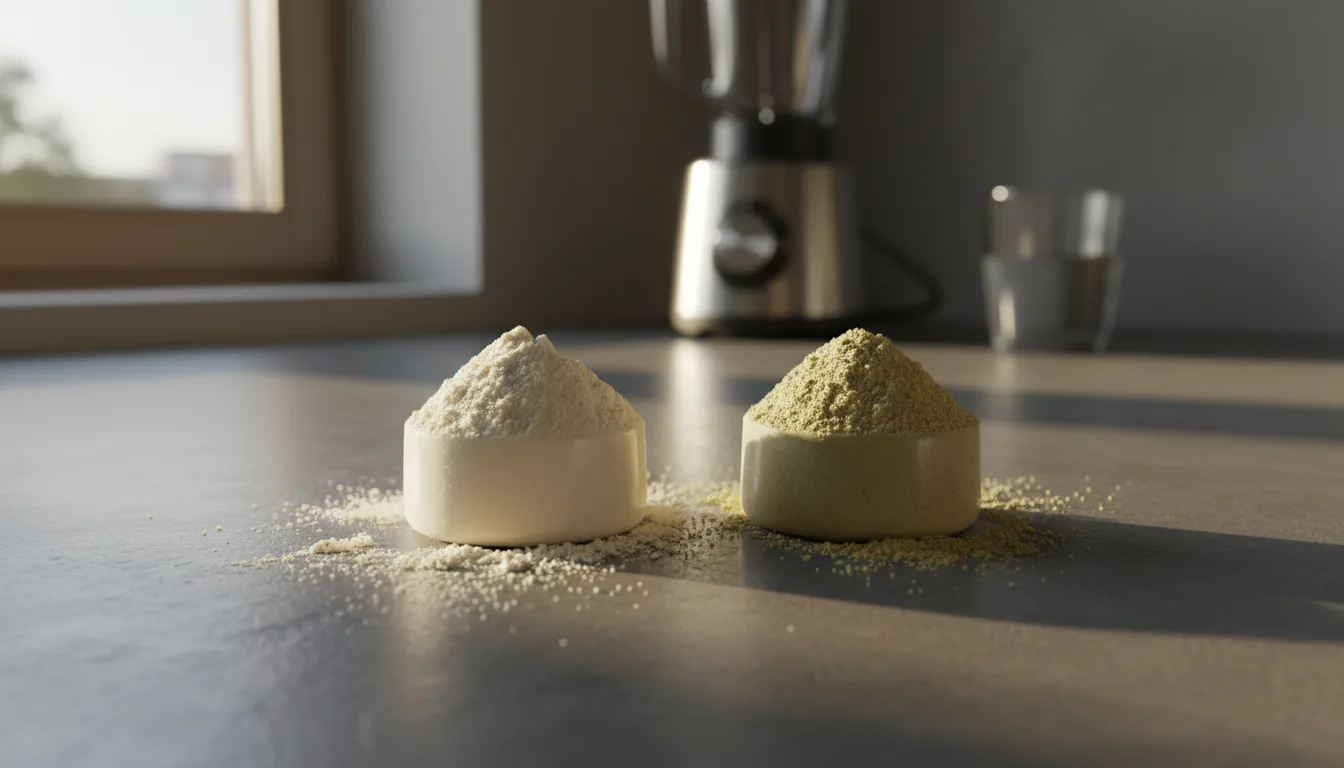
Whey vs plant protein powder: how to choose
Whey is naturally rich in essential amino acids and mixes easily; plant powders can support protein intake when the serving provides enough protein and amino acids. Diet, tolerance, dose and product registration matter more than the front-label category.
What to check before buying a supplement in Malaysia
Verify the exact product in NPRA’s search, match the MAL registration number to the name and holder, inspect the seal and seller, then assess whether the claim and dose make sense for you.

How to compare aesthetic clinics responsibly in Malaysia
Verify the doctor in the MMC register and the Ministry of Health aesthetic-practice registry, then ask who performs the procedure, which product or device is used, what complications can occur and how follow-up works.