
How to choose and use electric garden tools more safely
Check approval, cutting risk, cable or battery handling, weather exposure and protective equipment before buying a powered outdoor tool.
Powered garden tools combine fast blades or lines with uneven ground, moisture and debris. Choose the tool around the job and user’s control, then follow the exact manual for guards, personal protection and safe isolation.
What the official sources establish
Relevant electrical equipment supplied in Malaysia must follow the Energy Commission’s safety framework. The model manual and safety markings should be available before use, including instructions for chargers and batteries.
What to check
- Applicable safety approval, intact guards, two-stage controls and clear model instructions.
- Tool weight, handle reach and balance for the actual user and terrain.
- Outdoor-rated supply and residual-current protection where corded equipment requires it.
- Battery storage, charger compatibility, replacement parts and authorised service.
A practical way to decide
- Define the material and maximum size the tool must cut or clear.
- Inspect the work area for people, pets, stones, cables and wet conditions.
- Fit the guard and protective equipment specified by the manufacturer.
- Disconnect power or remove the battery before clearing a jam or touching the cutting system.
A useful decision rule
Choose the least powerful tool that performs the regular job with stable control. Reach, balance and guard design are more important than finishing a small task a minute faster.
Common mistake to avoid
Do not defeat interlocks, remove guards or use an indoor extension lead outside. Stop when conditions are wet or visibility and footing are poor.
Keep the evidence
Save the dated product page, quotation or terms you relied on, together with receipts, model or registration numbers and written messages. Public pages and commercial terms can change; recheck the linked official sources before committing money or making a complaint.
Key takeaways
- Applicable safety approval, intact guards, two-stage controls and clear model instructions.
- Tool weight, handle reach and balance for the actual user and terrain.
- Outdoor-rated supply and residual-current protection where corded equipment requires it.
Related guides

How to choose a renovation contractor in Malaysia
A practical due-diligence process for checking CIDB registration, comparing itemised quotations, defining variations and tying payments to visible progress before work begins.
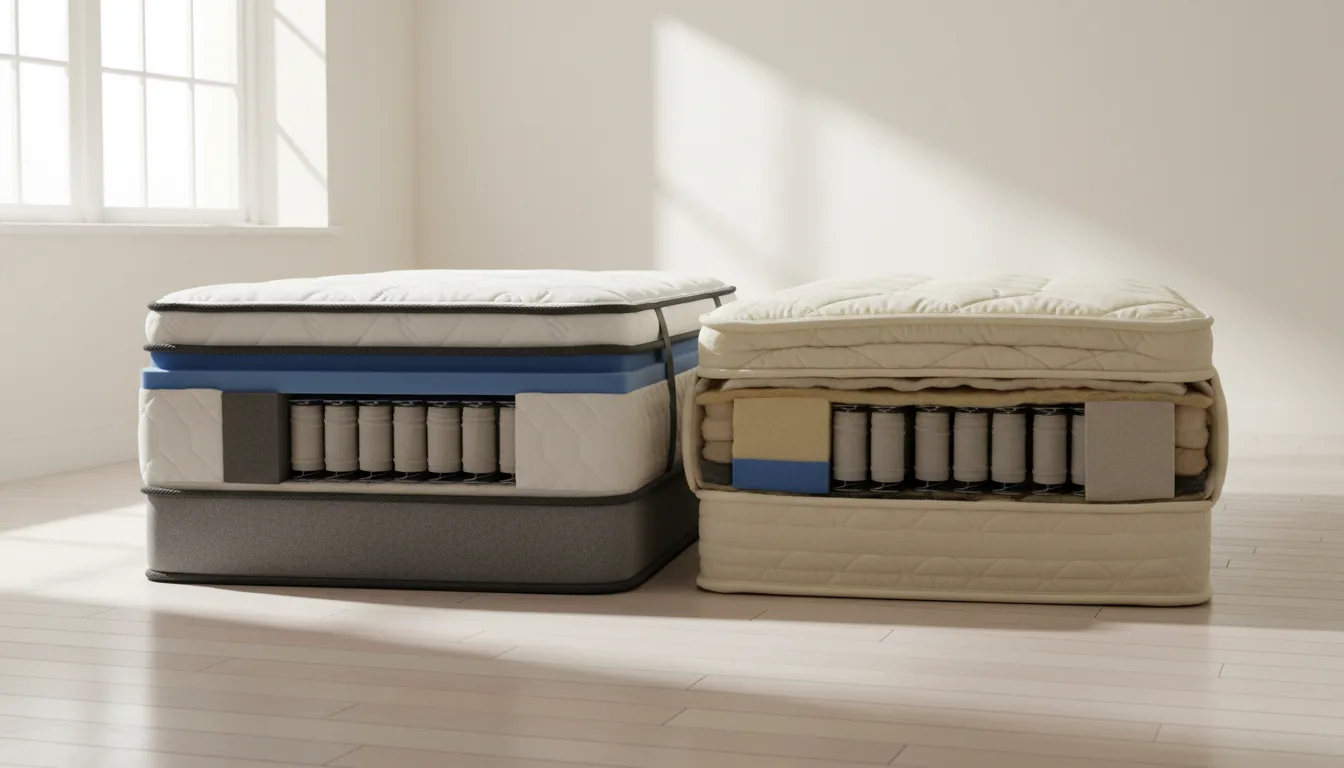
Latex vs memory foam mattress: which feel suits you?
Latex tends to feel springier and easier to move on; memory foam contours more slowly and usually isolates movement well. Material labels alone do not reveal firmness, layer thickness, heat management or durability.
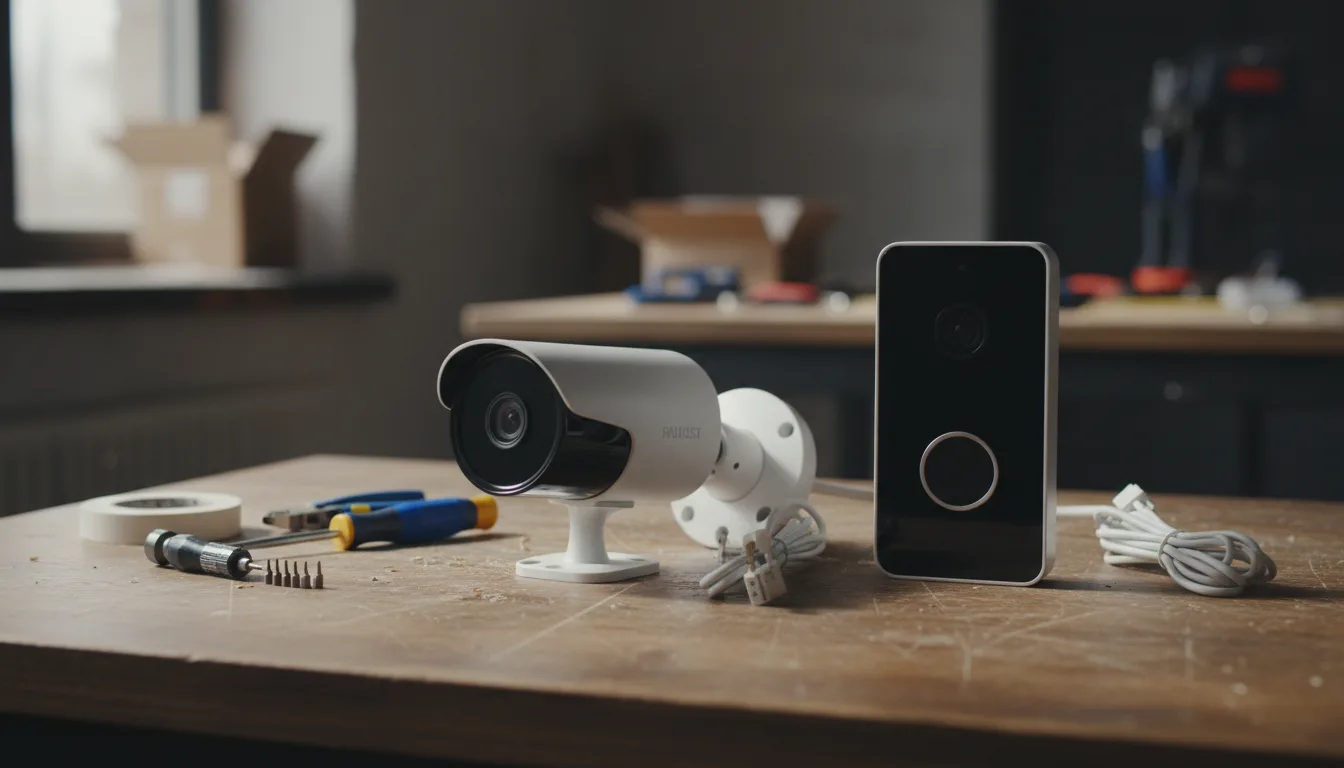
CCTV vs smart doorbell: what coverage do you need?
A smart doorbell watches one approach and makes visitor conversations easy. A multi-camera system covers more angles and can record locally, but installation, maintenance and privacy responsibilities are greater.

How to read a renovation quotation before you sign
Turn a lump-sum renovation quote into a checkable scope covering quantities, materials, approvals, variations, payments and handover.