
Pesticide label and registration checks for home gardeners
Verify the product, target pest, application rate, protective measures and storage before using a pesticide at home.
A pesticide should be chosen for an identified pest and a labelled use, not because it promises to kill everything. The same active ingredient can appear in products with different concentrations, crops, application methods and safety intervals.
What the official sources establish
Malaysia’s Department of Agriculture operates the pesticide registration system. The registered label for the exact product governs target uses, dose, precautions, storage and disposal; advice from an anonymous seller should not override it.
What to check
- Registration and product name match the container being offered.
- The label includes the target pest and intended plant or site.
- Dose, application equipment, protective clothing and weather restrictions are practical for the user.
- Storage and disposal can be kept separate from food, children, pets and waterways.
A practical way to decide
- Identify the pest and try appropriate non-chemical control first.
- Search the official registration information for the exact product.
- Read the full label before opening and measure only with dedicated equipment.
- Record the application date and follow all re-entry or harvest directions.
A useful decision rule
If the label does not cover the pest and site, do not improvise a dose. Choose a registered option with explicit directions or seek advice from the relevant agricultural authority.
Common mistake to avoid
Do not decant pesticide into food or drink containers, mix products without label direction or apply extra concentrate. More product can increase harm without improving control.
Keep the evidence
Save the dated product page, quotation or terms you relied on, together with receipts, model or registration numbers and written messages. Public pages and commercial terms can change; recheck the linked official sources before committing money or making a complaint.
Key takeaways
- Registration and product name match the container being offered.
- The label includes the target pest and intended plant or site.
- Dose, application equipment, protective clothing and weather restrictions are practical for the user.
Related guides

How to choose a renovation contractor in Malaysia
A practical due-diligence process for checking CIDB registration, comparing itemised quotations, defining variations and tying payments to visible progress before work begins.
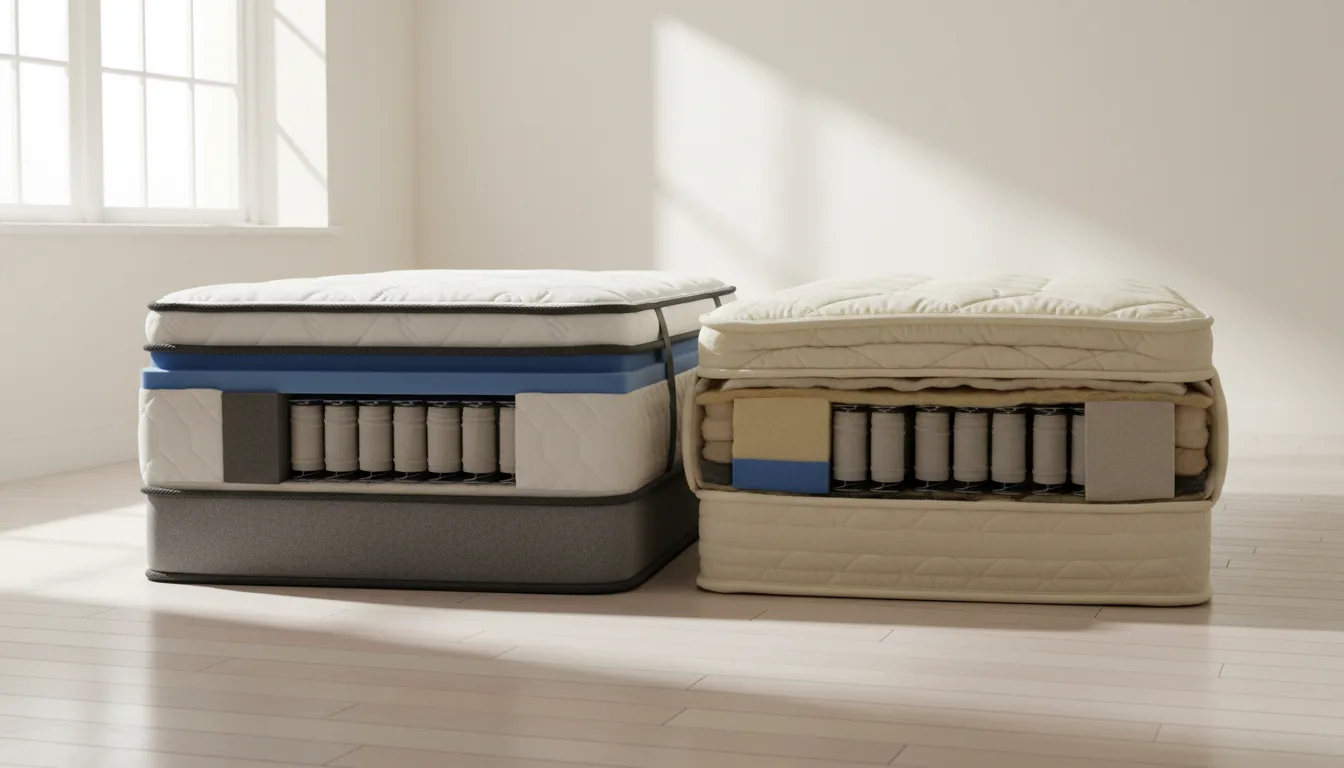
Latex vs memory foam mattress: which feel suits you?
Latex tends to feel springier and easier to move on; memory foam contours more slowly and usually isolates movement well. Material labels alone do not reveal firmness, layer thickness, heat management or durability.

CCTV vs smart doorbell: what coverage do you need?
A smart doorbell watches one approach and makes visitor conversations easy. A multi-camera system covers more angles and can record locally, but installation, maintenance and privacy responsibilities are greater.

How to read a renovation quotation before you sign
Turn a lump-sum renovation quote into a checkable scope covering quantities, materials, approvals, variations, payments and handover.